
Most American travelers are surprised to learn that only 26.9 percent of Ethiopian metropolitan areas have good transportation infrastructure, creating vastly different experiences between the north and south. Deciding which region to explore means weighing architectural wonders against wild tribal journeys. This guide highlights the true contrasts, helping you find the Ethiopian adventure that fits your interests, comfort level, and sense of discovery.
Table of Contents
- What Sets North and South Ethiopia Tours Apart
- Historical Highlights of Northern Ethiopia Tours
- Cultural Encounters in Southern Ethiopia Adventures
- Travel Logistics and Accessibility Compared
- Choosing the Right Tour Based on Interests
Key Takeaways
| Point | Details |
|---|---|
| Regional Differences | Northern Ethiopia offers historical and archaeological experiences, while southern Ethiopia focuses on cultural immersion with indigenous tribes. |
| Infrastructure Variations | Northern regions have developed transportation networks, whereas southern areas rely on rugged, remote travel conditions. |
| Tour Selection | Depending on interests, history enthusiasts should choose northern tours, while adventure seekers may prefer the authenticity found in southern tours. |
| Preparation and Flexibility | Travelers must assess their comfort with infrastructure differences and be prepared for varied travel conditions in each region. |
What Sets North and South Ethiopia Tours Apart
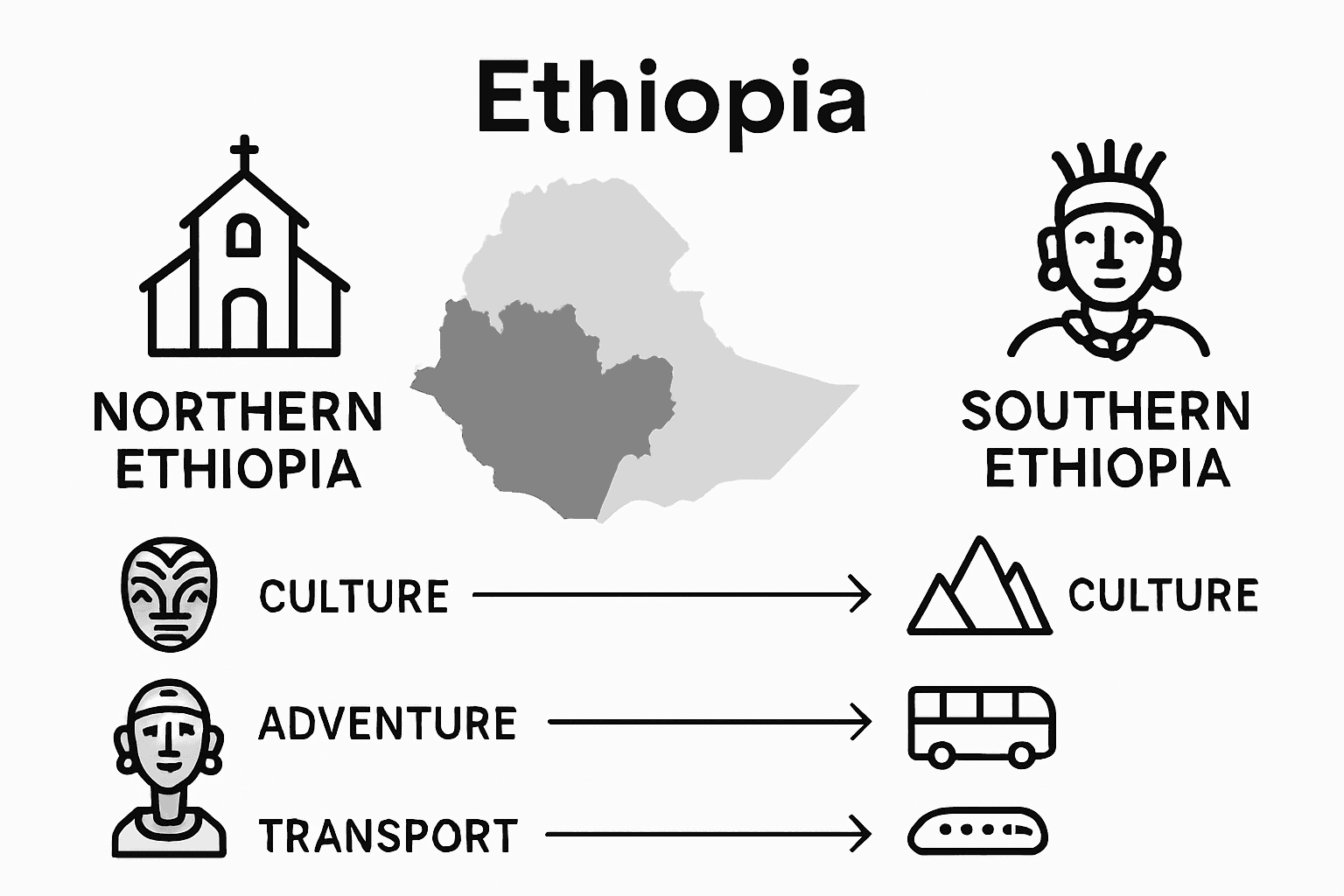
Ethiopia’s northern and southern regions offer dramatically different travel experiences, each presenting unique cultural landscapes and adventure opportunities. While northern Ethiopia boasts ancient historical sites and established tourism infrastructure, southern Ethiopia reveals raw, authentic cultural encounters with indigenous tribal communities. Transportation accessibility in metropolitan areas significantly influences these regional differences, with northern regions displaying more developed travel networks.
The northern route typically encompasses historic destinations like Lalibela, Gondar, and Axum, featuring UNESCO World Heritage sites with rock-hewn churches, medieval castles, and ancient Christian kingdoms. In contrast, the southern route explores the Omo Valley, home to diverse ethnic groups like the Mursi, Hamar, and Karo tribes, offering immersive cultural experiences that remain largely untouched by modern influences. These regions represent polar opposites in Ethiopian travel: one showcasing architectural and religious heritage, the other presenting living anthropological exhibitions.
Adventure seekers will find distinct challenges and rewards in each region. Northern tours often combine historical exploration with highland trekking, allowing travelers to walk through millennia of human civilization. Southern expeditions demand more rugged preparation, involving remote travel through tribal territories with minimal infrastructure. The Northern Historic Route provides structured historical insights, while southern journeys offer raw, unfiltered cultural immersion.
Traveler Pro Tip: Research Regional Preparation. When planning an Ethiopian tour, carefully assess your comfort level with infrastructure variations and cultural complexity between northern and southern regions. Pack accordingly, remain flexible, and approach each experience with cultural respect and openness.
Here’s a concise comparison of key differences between Northern and Southern Ethiopia tours:
| Aspect | Northern Ethiopia | Southern Ethiopia |
|---|---|---|
| Main Focus | Historical sites, ancient heritage | Indigenous cultures, tribal traditions |
| Infrastructure | Developed, efficient flights | Basic, remote ground travel only |
| Typical Experience | UNESCO churches, imperial castles | Omo Valley tribes, cultural rituals |
| Traveler Challenge | High-altitude trekking, museum visits | Rugged roads, cultural adaptation |
| Best For | History and archaeology enthusiasts | Cultural anthropologists, adventure seekers |
Historical Highlights of Northern Ethiopia Tours
Northern Ethiopia represents a profound archaeological and cultural treasure trove, offering travelers an extraordinary journey through centuries of human civilization. Historical sites across the region demonstrate remarkable accessibility, with key destinations like Lalibela, Axum, Gondar, and Bahir Dar easily reached through domestic flight networks. These ancient locations serve as living museums, preserving intricate stories of religious heritage, architectural innovation, and complex societal developments that span millennia.
The region’s historical landscape is dominated by extraordinary sites that capture the imagination. Lalibela, with its remarkable rock-hewn churches, stands as a UNESCO World Heritage site where 11 medieval monolithic churches were carved entirely from single rock formations. Axum, another pivotal destination, represents the historical heart of the ancient Ethiopian kingdom, featuring towering stone stelae and legendary connections to the Queen of Sheba. Gondar, often called the Camelot of Africa, showcases magnificent medieval castles and palaces that reflect the architectural sophistication of 17th-century Ethiopian imperial culture.
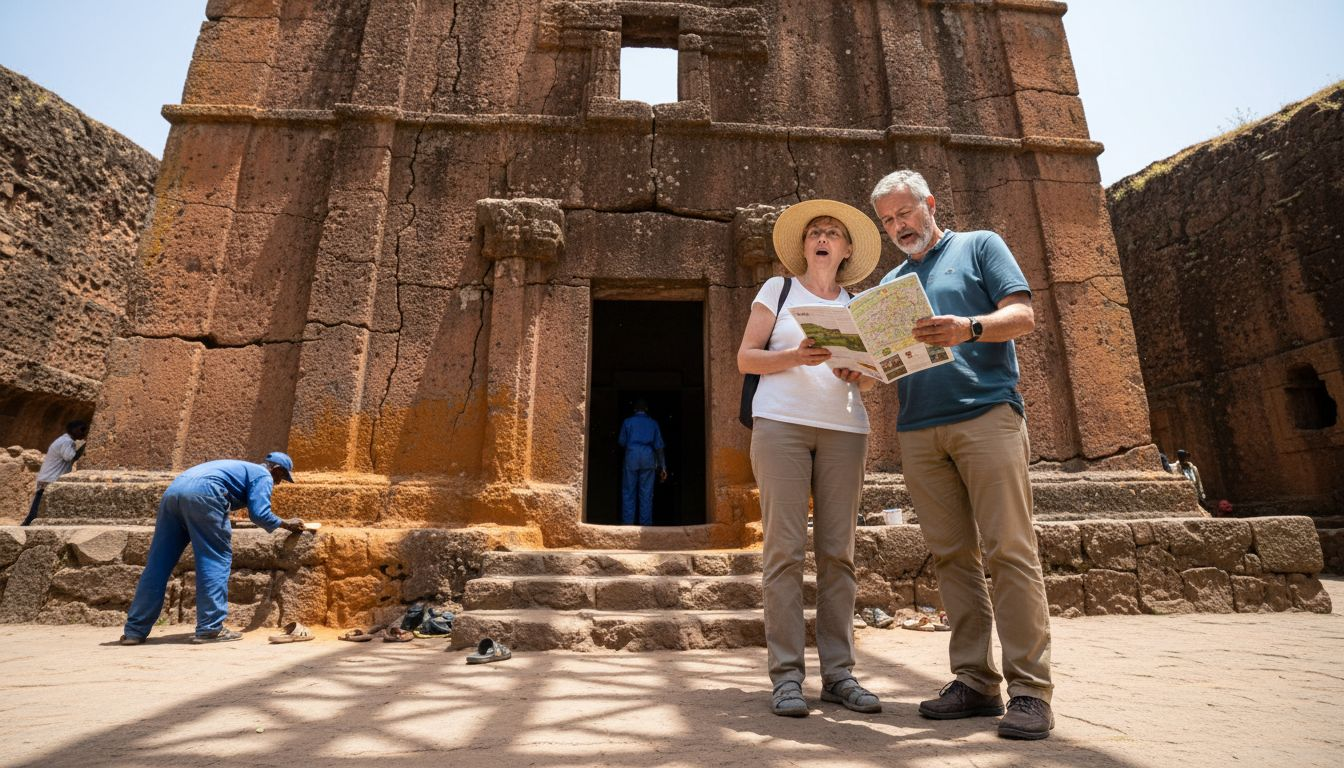
Northern Historic Route with Tigray cave churches provides travelers an immersive experience through these historical landscapes. The region’s historical significance extends beyond architectural marvels, encompassing rich traditions of Orthodox Christianity, unique manuscript collections, and archaeological evidence of complex societal structures predating many European civilizations. Each site offers a window into Ethiopia’s profound cultural continuity, demonstrating how ancient traditions have survived and evolved through centuries of change.
Traveler Pro Tip: Historical Site Preparation. Research specific cultural protocols for visiting religious sites, pack respectful clothing that covers shoulders and knees, and consider hiring a local guide who can provide nuanced historical context and help you navigate cultural sensitivities during your historical tour.
Cultural Encounters in Southern Ethiopia Adventures
Cultural tourism in southern Ethiopia represents an extraordinary journey into living anthropological landscapes where indigenous communities maintain centuries-old traditions largely untouched by modern global influences. The Omo Valley stands as the epicenter of these remarkable cultural encounters, hosting over a dozen distinct ethnic groups including the Mursi, Hamar, Karo, and Tribes, each with unique social structures, body decoration practices, and ceremonial traditions that offer travelers an unparalleled window into human cultural diversity.
Each tribal community in southern Ethiopia presents a distinct cultural narrative. The Mursi are renowned for their distinctive lip plates and elaborate body ornamentations, representing complex social status markers. Hamar women, recognized by their distinctive copper-toned hair and intricate traditional dress, participate in powerful coming-of-age ceremonies like the bull jumping ritual – a transformative cultural practice where young men demonstrate their manhood by leaping across a line of bulls. These encounters are not mere tourist experiences but profound anthropological insights into human social organization and cultural resilience.
How to Book Cultural Tours Ethiopia becomes critical for travelers seeking authentic interactions. Unlike standardized tourism experiences, southern Ethiopian cultural encounters demand deep respect, cultural sensitivity, and an understanding that these are living communities, not museum exhibits. Travelers must approach these interactions with humility, seeking genuine connections rather than superficial observations. The region’s developing infrastructure means that these cultural experiences require careful planning, local guidance, and a willingness to step outside traditional comfort zones.
Traveler Pro Tip: Respectful Cultural Photography. Always ask permission before photographing individuals, offer fair compensation when appropriate, and understand that cultural interactions are reciprocal exchanges of human understanding – not opportunities for voyeuristic documentation.
Travel Logistics and Accessibility Compared
Transportation infrastructure in Ethiopia reveals stark contrasts between northern and southern regions, fundamentally shaping travelers’ experiences. Northern Ethiopia boasts a more developed transportation network, with multiple domestic flight connections linking major cultural destinations like Lalibela, Axum, and Gondar. Southern regions, in contrast, predominantly rely on ground transportation, presenting more rugged and adventurous travel conditions that demand greater flexibility and preparation from travelers.
The accessibility challenges become particularly pronounced when examining infrastructure variations. Transportation accessibility assessments indicate that only 26.9% of Ethiopian metropolitan areas report good transportation infrastructure, with northern regions significantly outperforming southern territories. Domestic flights play a critical role in northern tour logistics, enabling travelers to efficiently navigate between historical sites. Southern tours, however, often require 4×4 vehicles, extended driving times, and more complex logistical planning to reach remote tribal communities in the Omo Valley.
These infrastructural differences directly impact tour experiences and traveler expectations. Northern tours can typically promise more predictable schedules, smoother transitions between destinations, and relatively comfortable transportation options. Southern expeditions demand a more adventurous spirit, with travelers prepared for longer transit times, potential road challenges, and less standardized travel infrastructure. These variations mean that trip preparation, vehicle selection, and overall tour design must be carefully customized based on the specific regional characteristics.
Traveler Pro Tip: Logistical Preparation. Research transportation options thoroughly before your trip, pack versatile clothing suitable for both flight and ground travel, and maintain a flexible attitude toward potential travel disruptions in less developed regions.
The following table summarizes how transportation infrastructure affects accessibility in both regions:
| Region | Primary Transport | Ease of Access | Time to Destinations |
|---|---|---|---|
| North | Domestic flights, paved roads | High, with short connections | Fast, often under 1 hour flight |
| South | 4×4 vehicles, unpaved roads | Limited, challenging terrain | Long drives, 4-10 hours typical |
Choosing the Right Tour Based on Interests
Transportation accessibility variations provide crucial context for selecting the ideal Ethiopian tour experience, with each region offering distinctly different adventures for travelers. Northern Ethiopia appeals to history enthusiasts, archaeological buffs, and travelers seeking structured cultural experiences with well-established tourism infrastructure. Southern Ethiopia beckons adventurers, anthropology lovers, and travelers wanting raw, unfiltered cultural immersion in remote tribal landscapes.
Tour selection demands careful consideration of personal interests and travel comfort levels. Historical explorers will find northern routes irresistible, featuring UNESCO World Heritage sites like Lalibela’s rock-hewn churches, ancient Axumite kingdoms, and medieval Gondar castles. How to Customize Ethiopia Tour becomes essential for travelers wanting to blend these experiences, allowing personalized itineraries that capture the region’s multifaceted historical richness. Cultural anthropologists and adventure seekers, conversely, will gravitate toward southern routes, where encounters with indigenous tribes like the Mursi, Hamar, and Karo offer profound insights into traditional human societies.
Beyond cultural interests, practical considerations significantly impact tour selection. Northern tours typically provide more predictable logistics, comfortable accommodations, and smoother transportation networks. Southern expeditions require greater physical resilience, adaptability, and a genuine spirit of adventure. Travelers must honestly assess their personal comfort with basic amenities, extended ground transportation, and potential communication challenges when deciding between these dramatically different regional experiences.
Traveler Pro Tip: Personal Interest Alignment. Conduct thorough self-reflection about your travel motivations, physical capabilities, and cultural curiosity before selecting a tour, ensuring your Ethiopian journey matches your authentic travel desires and personal comfort threshold.
Discover Your Ideal Ethiopian Adventure with Spectrum Ethiopia Tours
Choosing between Northern and Southern Ethiopia tours can be challenging because each region offers distinct cultural and logistical experiences. You want a journey that fits your passion for history or immersive tribal culture while navigating the realities of transportation and infrastructure differences. Whether you’re drawn to the ancient rock-hewn churches and imperial castles of the North or the raw cultural encounters with the Omo Valley tribes in the South, understanding these nuances ensures a deeply fulfilling travel experience.
Spectrum Ethiopia Tours specializes in crafting customized tours that perfectly match your interests and comfort levels. With expert local guides based in Addis Ababa and a Swiss management team dedicated to responsible tourism, we ensure every trip offers authentic human connections and seamless logistics. Explore signature experiences like the Northern Historic Route with Tigray cave churches or the vibrant culture of the South Omo Valley backed by attentive planning and quality service.

Ready to choose your perfect Ethiopian journey today? Visit Spectrum Ethiopia Tours to customize your tour, embrace authentic cultural adventures, and step confidently into Ethiopia’s extraordinary world.
Frequently Asked Questions
What are the main differences between northern and southern tours?
Northern tours focus on historical sites and ancient heritage, while southern tours explore indigenous cultures and tribal traditions.
How does transportation differ between the two regions?
Northern Ethiopia has a developed transportation network with domestic flights, while southern tours predominantly rely on rugged ground transportation, requiring 4×4 vehicles and longer travel times.
What type of traveler is best suited for northern tours?
Northern tours are ideal for history and archaeology enthusiasts who appreciate structured cultural experiences and established tourism infrastructure.
What should travelers keep in mind when visiting southern tribal communities?
Travelers should approach interactions with respect, cultural sensitivity, and a genuine desire to connect, keeping in mind that these communities maintain living traditions that should not be commodified.
Recommended
- Why Choose Cultural Tours: Value, Impact, and Insight – Spectrum Ethiopia Tours
- Cultural Journey: Transforming Travel Through Connection – Spectrum Ethiopia Tours
- Why Explore Ethiopia’s Diversity: Transformative Travel Insights – Spectrum Ethiopia Tours
- 7 Essential Types of Ethiopian Tours for Unique Travel – Spectrum Ethiopia Tours