
Most American travelers searching for new adventures are surprised to learn that Ethiopia is home to over 80 different ethnic groups and countless languages. This remarkable diversity shapes daily life in ways few countries can match. Exploring Ethiopia’s unique blend of vibrant cultures, dramatic landscapes, and resilient traditions not only inspires curiosity, but also gives travelers a deeper appreciation of what makes human heritage truly extraordinary.
Table of Contents
- Defining Ethiopia’s Diversity and Unique Heritage
- Cultural Traditions Across Regions and Ethnicities
- Natural Wonders and Geographic Contrasts
- Role of Responsible Tourism in Ethiopia
- Personal Benefits and Memorable Experiences
Key Takeaways
| Point | Details |
|---|---|
| Cultural Diversity | Ethiopia is home to over 80 distinct ethnic groups, each with unique languages and traditions, largely preserved due to minimal colonial intervention. |
| Geographical Richness | The country’s diverse landscapes, from the Ethiopian Highlands to the Danakil Depression, contribute to its ecological and cultural varieties. |
| Historical Significance | As the only African nation that successfully resisted European colonization, Ethiopia maintains a unique cultural continuity and resilience. |
| Benefits of Responsible Tourism | Responsible tourism enhances local economies, fosters cultural preservation, and promotes environmental conservation in Ethiopia. |
Defining Ethiopia’s Diversity and Unique Heritage
Ethiopia represents a remarkable tapestry of cultural, geographical, and historical complexity that defies simple categorization. With over 80 distinct ethnic groups spread across diverse landscapes, this East African nation embodies a profound mosaic of human experience and natural wonder. The country’s extraordinary diversity emerges from centuries of independent cultural development, minimal colonial interference, and geographic isolation that preserved unique traditions.
The cultural richness of Ethiopia spans linguistic, religious, and social dimensions that fascinate anthropologists and travelers alike. From the Oromo people of the central highlands to the Afar tribes of the northeastern deserts, each community maintains distinctive languages, customs, and social structures. Why Explore Ethiopia’s Heritage: The Essential Guide reveals how these communities have maintained remarkable cultural integrity despite global modernization pressures.
Geographically, Ethiopia presents an extraordinary range of environments that contribute to its cultural diversity. The landscape shifts dramatically from high mountain plateaus to deep volcanic depressions, creating ecological niches that have shaped human adaptation strategies. The Danakil Depression, one of the lowest and hottest places on Earth, contrasts sharply with the cool, verdant Ethiopian highlands. These environmental variations have not just influenced survival techniques but also deeply impacted cultural practices, spiritual beliefs, and social organization across different ethnic groups.
Moreover, Ethiopia’s unique historical trajectory sets it apart from other African nations. As the only African country that successfully resisted European colonization, Ethiopia developed independent cultural institutions and maintained an uninterrupted national narrative. This historical continuity allowed traditional practices, languages, and social structures to evolve organically, creating a society characterized by remarkable cultural resilience and authentic self-determination.
Cultural Traditions Across Regions and Ethnicities
Ethiopia’s cultural landscape is a vibrant mosaic of traditions that reflect the profound diversity of its many ethnic groups. Each community brings a unique set of customs, rituals, and social practices that have been meticulously preserved through generations. From the intricate coffee ceremonies of the Oromo to the distinctive weaving techniques of the Dorze people, these traditions represent more than mere cultural practices they are living narratives of identity and survival.
One remarkable example of cultural preservation is the annual Ashenda festival, a celebration deeply rooted in the Tigray region’s historical traditions. This festival, believed to have originated around 400 AD in the Axum region, showcases the rich cultural heritage of Tigray women. During Ashenda, women and girls dress in elaborate green grass skirts, moving from house to house in a vibrant display of community solidarity, singing and dancing while receiving small gifts. The festival not only honors the Virgin Mary but also symbolizes renewal and the cyclical nature of community life.
Religious practices also play a significant role in defining cultural identity across Ethiopia’s diverse regions. The country boasts one of the world’s oldest Christian traditions, with the Ethiopian Orthodox Church dating back to the 4th century, existing alongside indigenous spiritual practices and Islamic communities. These religious traditions are not isolated experiences but deeply interwoven with daily social interactions, agricultural cycles, and communal celebrations. The result is a complex spiritual landscape where ancient Christian rituals, traditional animist beliefs, and Islamic practices coexist and sometimes blend in fascinating ways.
Traditional musical and dance forms further illustrate the remarkable cultural diversity of Ethiopia. Each ethnic group has distinctive performance styles that communicate historical narratives, social structures, and emotional experiences. The shoulder-shaking eskista dance of the Amhara, the intricate hand movements of Oromo cultural performances, and the rhythmic drumming traditions of various communities demonstrate how movement and music serve as powerful mediums of cultural expression and preservation.
Natural Wonders and Geographic Contrasts
Ethiopia represents a geological marvel, presenting an extraordinary landscape that defies simple description. The country’s topographical diversity ranges from the soaring Simien Mountains, often called the “roof of Africa,” to the otherworldly Danakil Depression, recognized as one of the most extreme environments on the planet. These contrasting landscapes create a natural canvas that showcases remarkable ecological diversity, challenging travelers’ perceptions of what a single country can encompass.
The Ethiopian Highlands dominate the central and northern regions, featuring dramatic plateaus rising to elevations over 4,000 meters. These mountainous terrains create microclimates that support unique biodiversity, including endemic species like the Gelada baboon and the Ethiopian wolf. Why Visit Ethiopia: Complete Guide for Travelers highlights how these varied environments have shaped not just wildlife, but human adaptation strategies across generations.
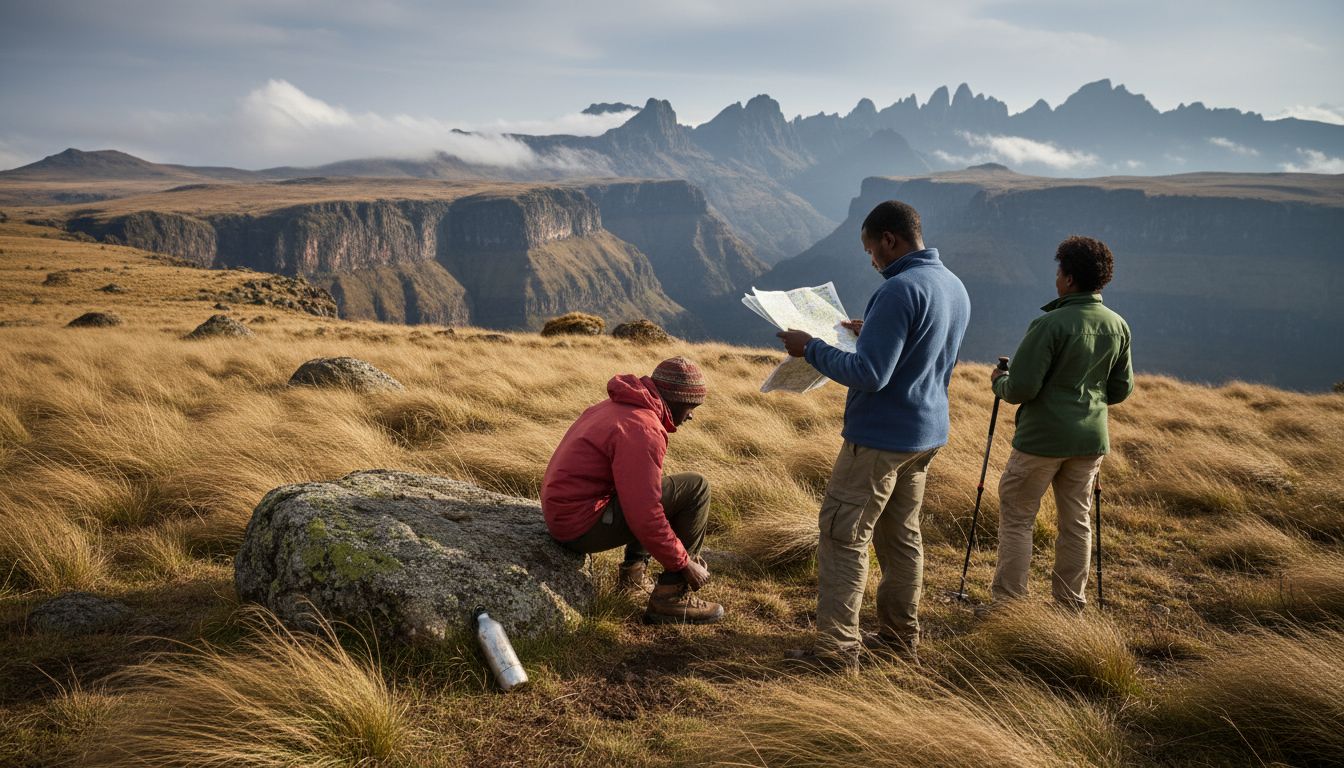
In stark contrast to the highlands, the Danakil Depression represents a geological wonderland of extreme conditions. Located in the Afar Triangle, this region sits more than 100 meters below sea level and experiences temperatures that regularly exceed 50 degrees Celsius, making it one of the hottest places on Earth. Sulfur springs, active volcanoes, and salt plains create a landscape that looks more like an alien terrain than a terrestrial environment. The depression’s unique geological features include the Erta Ale volcano, which maintains a persistent lava lake, offering visitors an unprecedented glimpse into the planet’s raw geological processes.
Water systems further contribute to Ethiopia’s geographic complexity. The Blue Nile, originating from Lake Tana in the northwestern highlands, represents a critical water source for millions across Northeast Africa. These river systems have carved dramatic landscapes, creating deep gorges, fertile valleys, and providing lifelines for diverse ecosystems. From the verdant rainforests of the southwestern regions to the semi-arid landscapes of the east, Ethiopia’s geographic diversity tells a story of ecological resilience and natural wonder.
Role of Responsible Tourism in Ethiopia
Responsible tourism in Ethiopia represents a critical approach to travel that goes far beyond mere sightseeing, focusing instead on creating meaningful connections between travelers and local communities. This approach prioritizes economic empowerment, cultural preservation, and environmental sustainability. How to Book Ethical Tours Ethiopia emphasizes the importance of travelers making conscious choices that directly benefit local populations and protect the country’s unique cultural and natural heritage.
Economic impact stands at the core of responsible tourism strategies. By ensuring that tourism revenues are distributed equitably, local communities can develop sustainable economic opportunities that reduce poverty and create long-term resilience. This means partnering with local guides, staying in community-owned accommodations, purchasing locally produced crafts, and supporting small businesses that reinvest directly into their immediate social ecosystems.
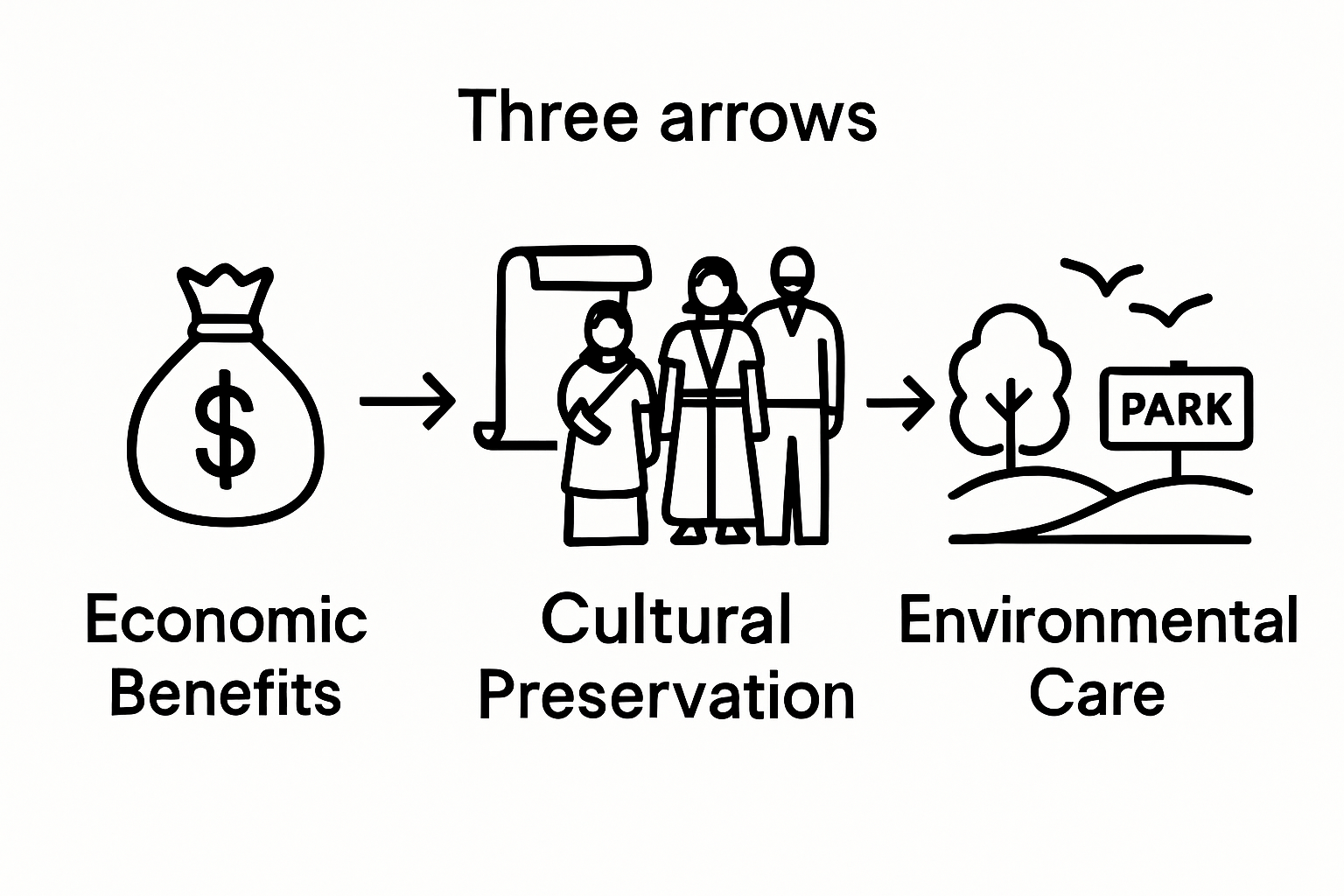
Cultural preservation emerges as another critical dimension of responsible tourism in Ethiopia. Travelers are encouraged to approach local traditions with respect, curiosity, and a genuine desire to understand rather than merely observe. This involves learning basic local customs, seeking permission before photographing individuals, participating in cultural exchanges that are mutually beneficial, and supporting initiatives that help indigenous communities maintain their traditional ways of life while adapting to contemporary challenges.
Environmental conservation represents the third pillar of responsible tourism in Ethiopia. The country’s extraordinary biodiversity and unique landscapes require careful stewardship. Responsible tour operators implement strategies such as minimizing carbon footprints, supporting wildlife conservation projects, promoting low-impact travel techniques, and educating travelers about the delicate ecological systems they are experiencing. By transforming tourists into environmental ambassadors, responsible tourism creates a powerful mechanism for protecting Ethiopia’s natural wonders for future generations.
Personal Benefits and Memorable Experiences
Traveling through Ethiopia offers transformative experiences that transcend traditional tourism, providing profound personal growth and life-changing insights. Each journey becomes an opportunity for deep self-discovery, challenging preconceived notions and expanding one’s understanding of human diversity and resilience. Why Choose Cultural Tours highlights how immersive travel experiences can fundamentally reshape personal perspectives and create lasting memories.
Personal connections emerge as the most powerful benefit of Ethiopian travel. Interactions with local communities offer genuine human experiences that go beyond surface-level tourism. Whether sharing a traditional coffee ceremony with an Oromo family, learning weaving techniques from Dorze artisans, or participating in community celebrations, travelers develop meaningful relationships that challenge stereotypes and create lasting emotional connections. These encounters provide rare opportunities to understand human experiences from entirely different cultural viewpoints, fostering empathy and personal growth.
Intellectual enrichment represents another significant personal benefit of Ethiopian travel. The country’s complex historical narrative, spanning thousands of years of independent cultural development, offers travelers a living museum of human civilization. From the rock-hewn churches of Lalibela to the ancient archaeological sites of the Rift Valley, every location tells a story that invites deep reflection. Travelers gain insights into human adaptation, cultural resilience, and the intricate ways societies develop unique solutions to environmental and social challenges.
Emotional and psychological transformation often occurs unexpectedly during Ethiopian journeys. The combination of breathtaking landscapes, profound cultural encounters, and challenging travel experiences creates opportunities for personal reflection and inner growth. Travelers frequently report experiencing heightened self-awareness, increased adaptability, and a more nuanced understanding of global human experiences. These journeys become more than vacations they are profound personal odysseys that reshape worldviews and create lasting memories that continue to inspire long after returning home.
Discover Ethiopia’s Diversity with Authentic and Responsible Travel
Exploring Ethiopia’s rich cultural tapestry and breathtaking landscapes can be challenging without the right guidance and local insight. The article highlights the importance of responsible tourism, meaningful human connections, and deep cultural understanding as key to transforming your journey. Travelers often face difficulties in finding experiences that honor Ethiopia’s unique heritage while supporting local communities and preserving the environment.
Spectrum Ethiopia Tours understands these challenges and is committed to offering immersive, ethical travel solutions that bring you closer to Ethiopia’s soul. Whether it is the South Omo Valley cultural journey or the spectacular Danakil Depression expedition, you will enjoy expertly designed itineraries led by knowledgeable local guides. Our tours emphasize real cultural encounters, environmental respect, and economic empowerment for Ethiopian communities.
Looking for an unforgettable, transformative experience that respects Ethiopia’s diversity and your personal growth?

Explore how you can engage with Ethiopia on a deeper level by choosing authentic cultural tours that go beyond sightseeing. Visit Spectrum Ethiopia Tours now to customize your perfect trip and start your transformative adventure today.
Frequently Asked Questions
What are the unique cultural traditions found in Ethiopia?
Ethiopia is home to over 80 distinct ethnic groups, each with its own unique customs and rituals, such as the intricate coffee ceremonies of the Oromo and the annual Ashenda festival celebrated in the Tigray region.
How does Ethiopia’s geographical diversity impact its culture?
The country’s varied landscapes, from high plateaus to hot deserts, have influenced cultural practices, social structures, and survival strategies, resulting in a rich tapestry of cultural expression across different ethnic communities.
What role does responsible tourism play in Ethiopia?
Responsible tourism focuses on creating meaningful connections between travelers and local communities, emphasizing economic empowerment, cultural preservation, and environmental sustainability while ensuring that tourism benefits local populations directly.
How can traveling to Ethiopia transform personal perspectives?
Traveling in Ethiopia offers profound personal growth through deep interactions with local communities, intellectual enrichment from historical sites, and emotional transformation from exposure to diverse cultural experiences.
Recommended
- Why Choose Cultural Tours: Value, Impact, and Insight – Spectrum Ethiopia Tours
- Why Explore Remote Ethiopia: The Definitive Guide – Spectrum Ethiopia Tours
- Complete Guide to Touring Ethiopia in 2025 – Spectrum Ethiopia Tours
- 7 Key Benefits of Guided Tours in Ethiopia Explained Clearly – Spectrum Ethiopia Tours