
More than 60 percent of American travelers say connecting with local cultures is their top motivation for exploring the world. Yet myths about cross-cultural tours still keep many from taking the leap. These journeys offer more than sightseeing, encouraging real conversations and shared experiences that change perspectives. By exposing the most common misunderstandings, this guide helps you discover how cross-cultural tours can transform an ordinary trip into something unforgettable.
Table of Contents
- Defining Cross-Cultural Tours And Common Myths
- Types Of Cross-Cultural Tours Worldwide
- How Cross-Cultural Tours Foster Human Connection
- Key Responsibilities For Travelers And Hosts
- Risks, Costs, And How To Maximize Benefits
Key Takeaways
| Point | Details |
|---|---|
| Cross-Cultural Tours Enhance Understanding | These tours go beyond traditional tourism, fostering genuine connections and deep cultural exchanges. |
| Dispelling Common Myths | Many misconceptions hinder participation, such as the belief that these experiences are only for academics or prohibitively expensive. |
| Active Participation is Key | Travelers must engage directly with local communities to maximize the benefits and overcome challenges like language barriers and cultural misunderstandings. |
| Shared Responsibilities for Success | Both travelers and hosts have critical roles in ensuring respectful and meaningful cultural exchanges, emphasizing mutual respect and curiosity. |
Defining Cross-Cultural Tours and Common Myths
Cross-cultural tours represent far more than simple vacations – they are transformative experiences designed to bridge cultural understanding through immersive travel. These specialized journeys go beyond traditional tourism by creating meaningful connections between travelers and local communities, challenging preconceived notions and expanding global perspectives.
Understanding cross-cultural tours requires recognizing their fundamental purpose: deep cultural exchange. Experiential learning studies demonstrate how structured interactions can facilitate profound understanding between different societal groups. Unlike conventional travel experiences that merely scratch the surface, these tours prioritize genuine human connections, allowing participants to engage authentically with local traditions, practices, and daily life.
However, several persistent myths often mischaracterize cross-cultural tours. Many travelers mistakenly believe such experiences are exclusively for academic researchers or anthropologists. In reality, small group cultural tours offer accessible pathways for anyone curious about global diversity. These tours are carefully designed to accommodate diverse interests and comfort levels, ensuring travelers can explore new cultures without feeling overwhelmed or out of place.
Key misconceptions about cross-cultural tours include:
- They are prohibitively expensive
- Only young backpackers participate
- Local interactions are superficial and scripted
- Cultural immersion requires extensive language skills
Contrary to these beliefs, modern cross-cultural tours represent inclusive, thoughtful experiences that promote mutual understanding, respect, and personal growth through carefully curated interactions with local communities.
Types of Cross-Cultural Tours Worldwide
Cross-cultural tours represent a diverse spectrum of travel experiences, each offering unique opportunities for global understanding and personal transformation. These tours range from immersive community-based programs to specialized educational expeditions that connect travelers with local cultures in profound and meaningful ways.
Comparative studies of international tour packages reveal significant variations in tour structures across different regions, highlighting the complexity and richness of cross-cultural travel. Some tours focus on specific cultural dimensions, such as language immersion, artistic traditions, culinary experiences, or community service projects, while others provide comprehensive explorations of regional heritage and contemporary social dynamics.
One notable example of structured cross-cultural experiences is seen in youth-oriented programs. International living programs offer high school students opportunities to engage deeply with foreign cultures through homestays, language learning, and community interactions. These experiences go beyond traditional tourism by creating genuine human connections and fostering global understanding.
Primary types of cross-cultural tours include:
- Homestay Programs: Direct immersion with local families
- Language and Cultural Immersion Tours: Focused on linguistic and cultural learning
- Community Service Expeditions: Volunteer-based cultural exchanges
- Culinary and Arts Tours: Exploring regional traditions through food and creative practices
- Historical and Archaeological Tours: Deep dives into cultural heritage
Each tour type offers a unique lens for understanding global diversity, challenging travelers’ perspectives and creating meaningful cross-cultural dialogues that extend far beyond typical tourist experiences.
How Cross-Cultural Tours Foster Human Connection
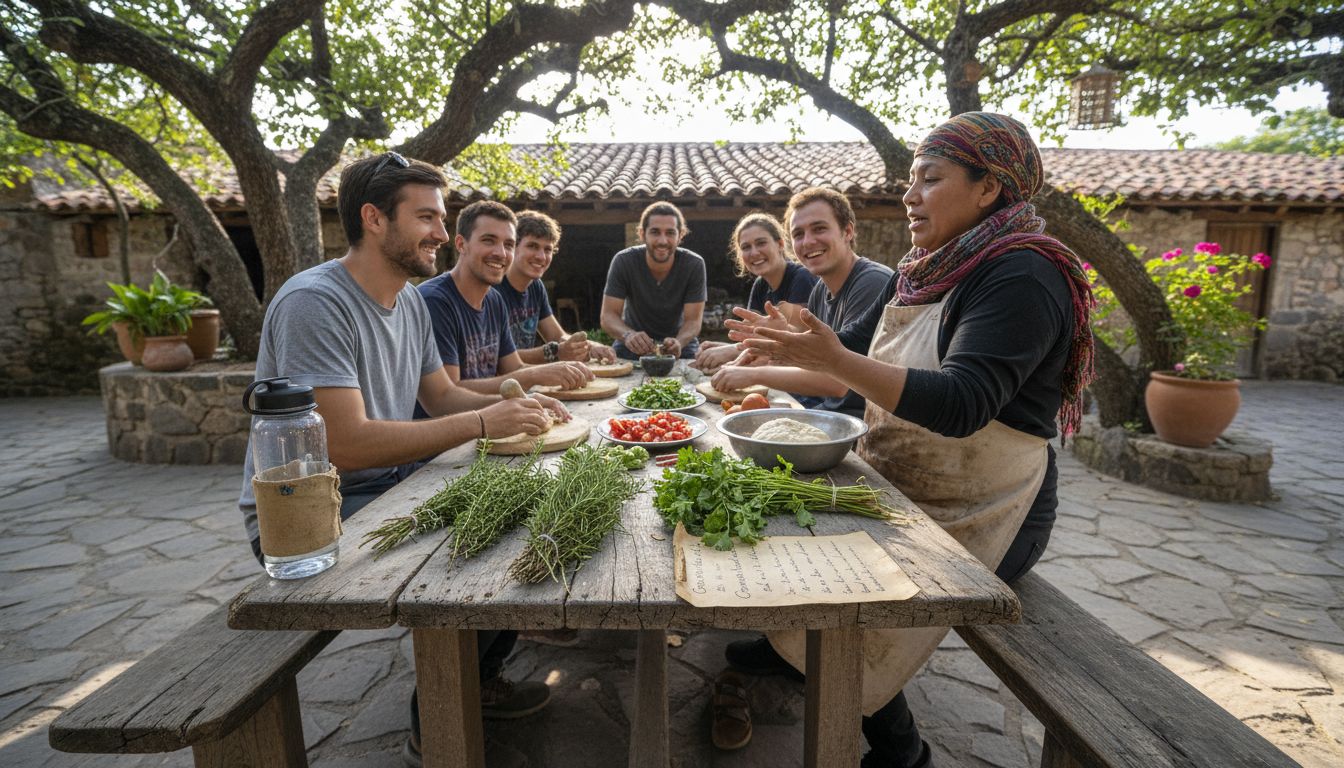
Cross-cultural tours serve as powerful catalysts for human connection, transforming travelers from passive observers into active participants in global understanding. These experiences create unique environments where authentic interactions transcend traditional tourist boundaries, enabling profound interpersonal exchanges that challenge preconceived notions and build genuine empathy.
Sophisticated measurement scales for cultural experiences demonstrate that meaningful human connections emerge through active involvement and intentional engagement. When travelers participate directly in local activities, share meals, learn traditional skills, and engage in genuine conversations, they move beyond superficial interactions into deeper cultural understanding.
Research on cross-cultural adaptation reveals that meaningful human connections occur through multiple dimensions of interaction, including:
- Physical actions and shared experiences
- Emotional vulnerability and openness
- Genuine curiosity about different life perspectives
- Willingness to suspend personal judgments
- Collaborative knowledge exchange
These tours create transformative spaces where individuals from diverse backgrounds can discover shared humanity, breaking down cultural barriers through compassionate, direct engagement. By prioritizing authentic interactions over passive consumption, cross-cultural tours become powerful vehicles for building global understanding, mutual respect, and personal growth.
Key Responsibilities for Travelers and Hosts
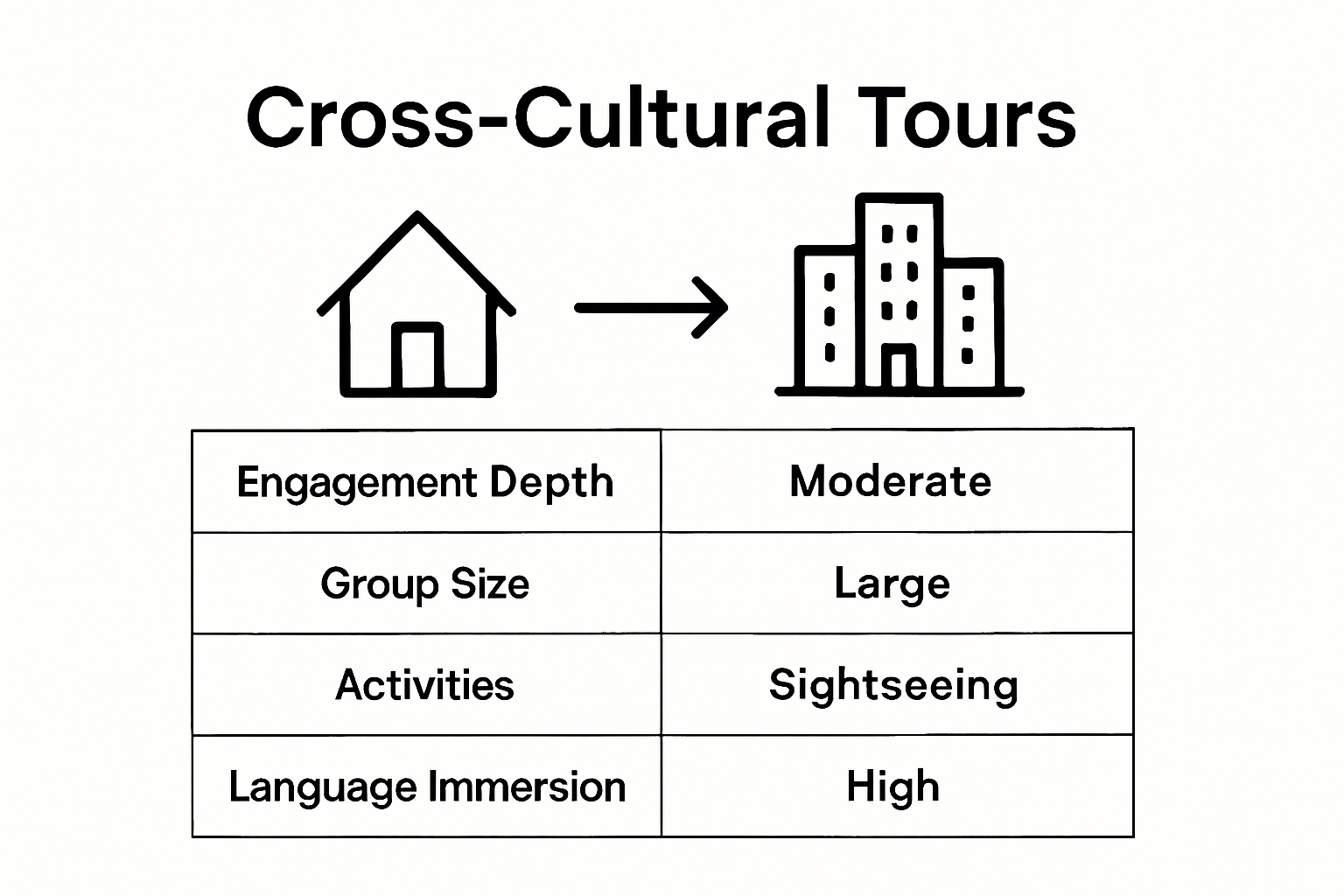
Successful cross-cultural tours require a collaborative approach, with both travelers and hosts sharing critical responsibilities to ensure meaningful, respectful, and transformative experiences. This mutual commitment goes beyond simple transaction, creating a framework of cultural exchange that demands awareness, sensitivity, and active participation from all involved.
Research on cross-cultural tour management highlights the complex dynamics of intercultural interactions, emphasizing the need for strategic communication and cultural navigation. Tour guides and local hosts play a pivotal role in mediating potential misunderstandings, creating spaces that facilitate genuine connections while protecting the integrity of local communities.
Travelers and hosts have distinct yet interconnected responsibilities:
Responsibilities for Travelers:
- Practice cultural humility and genuine curiosity
- Learn basic local customs and language phrases
- Respect privacy and seek consent before photographing people
- Demonstrate active listening and openness
- Minimize environmental and cultural impact
Responsibilities for Hosts:
- Provide accurate cultural context and historical insights
- Create safe, welcoming interaction environments
- Represent community traditions authentically
- Set clear boundaries and expectations
- Facilitate meaningful cultural exchanges
International platforms promoting cultural heritage underscore the profound potential of these interactions. When both travelers and hosts approach cross-cultural experiences with mutual respect, curiosity, and commitment to understanding, these encounters become powerful instruments of global dialogue and personal transformation.
Risks, Costs, and How to Maximize Benefits
Cross-cultural tours represent significant investments of time, money, and emotional energy, requiring travelers to carefully evaluate potential risks and strategic approaches to maximize meaningful experiences. While these journeys offer transformative opportunities, understanding the associated challenges is crucial for making informed travel decisions.
Cross-cultural communication research reveals complex interdisciplinary dynamics that travelers must navigate, highlighting the importance of preparation and realistic expectations. Financial considerations extend beyond monetary costs, encompassing potential emotional and psychological investments that can profoundly impact personal growth and understanding.
Measurement scales for cultural experiences emphasize the critical role of active participant involvement in creating satisfactory interactions. Potential risks include:
- Cultural misunderstandings
- Language barriers
- Unexpected health challenges
- Personal safety concerns
- Emotional vulnerability
Strategies to maximize tour benefits:
- Conduct thorough pre-trip research
- Develop flexible communication skills
- Maintain open and respectful attitudes
- Budget for unexpected expenses
- Prioritize personal safety and health preparations
Successful cross-cultural tours require a balanced approach that acknowledges potential challenges while remaining committed to genuine cultural exchange and personal growth. By understanding and proactively addressing risks, travelers can transform potential obstacles into opportunities for profound learning and connection.
Experience True Cross-Cultural Connection with Spectrum Ethiopia Tours
The article highlights how cross-cultural tours create lasting human connections through genuine engagement and thoughtful cultural exchange. If you seek to move beyond superficial travel and embrace authentic experiences that foster mutual respect and personal growth Spectrum Ethiopia Tours offers expertly designed journeys that address these very goals. With deep local knowledge and a commitment to responsible tourism our tours such as the South Omo Valley cultural journey or the Northern Historic Route provide immersive experiences where you live, learn, and connect with Ethiopian communities in meaningful ways.
Discover how to overcome common challenges like cultural misunderstandings or feeling like a passive observer by traveling with trusted guides who emphasize respect curiosity and open communication. Visit Spectrum Ethiopia Tours to explore customized adventures that prioritize authentic human connection and transformative cultural exchange. Start planning your journey now and take the first step toward a truly impactful cross-cultural travel experience.
Frequently Asked Questions
What are cross-cultural tours?
Cross-cultural tours are immersive travel experiences designed to foster deep cultural exchange and understanding between travelers and local communities, focusing on genuine interactions rather than typical tourist activities.
Who can participate in cross-cultural tours?
Cross-cultural tours are designed for a wide range of travelers, not just academics or researchers. They are accessible to anyone interested in exploring global diversity, regardless of age or background.
What types of experiences can I expect from a cross-cultural tour?
Participants can engage in various activities such as homestays with local families, language immersion, community service projects, culinary and arts exploration, and historical tours that delve into cultural heritage.
What responsibilities do travelers have on cross-cultural tours?
Travelers are expected to practice cultural humility, learn basic local customs, respect privacy, listen actively, and minimize their environmental and cultural impacts during their interactions with local communities.