
Most American travelers now choose small group tours for deeper, safer local experiences, with nearly 60 percent of adventure trips favoring intimate groups over mass tourism. For European explorers seeking meaningful connections in Ethiopia, the right group size unlocks richer cultural immersion and genuine exchanges with local communities. This guide reveals how small group travel delivers authentic interactions, flexible journeys, and practical safety advantages for those ready to go beyond the ordinary.
Table of Contents
- Small Group Travel Defined And Debunked
- Types And Styles Of Small Group Travel
- How Small Groups Enhance Local Experiences
- Safety, Cost, And Flexibility Advantages
- Comparing Solo, Large, And Small Group Travel
- Common Pitfalls And How To Avoid Them
Key Takeaways
| Point | Details |
|---|---|
| Small Group Travel Benefits | Small group travel offers enhanced personal connections and supports immersive cultural experiences, providing a more meaningful journey compared to larger tours. |
| Customization and Flexibility | Small groups allow for adaptable itineraries and spontaneous interactions, catering to traveler preferences while enriching the overall experience. |
| Cost Efficiency | By sharing costs within a small group, travelers can access exclusive experiences at lower individual expenses, making it economically advantageous. |
| Preparation is Key | Effective communication and setting clear financial guidelines before the trip can prevent conflicts and ensure a harmonious group dynamic. |
Small Group Travel Defined and Debunked
Small group travel represents a strategic approach to exploration that challenges traditional mass tourism models. Unlike large bus tours or overcrowded package holidays, small group travel typically involves 6-12 travelers who share a commitment to authentic, immersive experiences. Post-pandemic travel trends reveal a growing preference for intimate, personalized journeys that prioritize quality interactions over quantity of destinations.
The core distinction lies in group dynamics and travel philosophy. Small group travelers seek meaningful connections – with local cultures, fellow adventurers, and destinations themselves. These groups are intentionally sized to facilitate deeper engagement, allowing for more flexible itineraries, spontaneous interactions, and access to experiences impossible with larger groups. Travelers can explore narrow village streets, participate in community workshops, and enjoy personalized guidance from local experts without the logistical challenges of solo travel or the impersonal nature of massive tour groups.
Understanding small group travel requires dispelling common myths. Many travelers mistakenly believe small group tours are more expensive or less comfortable than traditional travel. In reality, these experiences often provide superior value through shared costs, expert-curated experiences, and reduced individual planning stress. Small groups can negotiate unique access to cultural sites, engage more authentically with local communities, and create a sense of camaraderie that transforms a simple trip into a transformative journey.
Pro Tip: When selecting a small group tour, prioritize groups with 8-12 participants and verify the guide-to-traveler ratio to ensure a truly personalized experience.
Types and Styles of Small Group Travel
Small group travel encompasses diverse styles tailored to different traveler interests and objectives. Recent global travel surveys reveal a significant trend toward specialized, purpose-driven group experiences that go far beyond traditional tourism models. These experiences range from adventure expeditions and cultural immersion tours to wellness retreats and educational journeys, each designed to create meaningful connections and transformative travel experiences.
The primary categories of small group travel reflect the multifaceted nature of modern exploration. Adventure travelers might join specialized hiking or photography expeditions that limit group size to ensure personalized attention and minimal environmental impact. Cultural enthusiasts often select tours focusing on indigenous traditions, culinary experiences, or historical deep dives. Educational small groups might include academic research trips, language immersion programs, or professional development journeys that combine learning with travel. Wellness-oriented groups focus on retreat-style experiences that prioritize physical and mental rejuvenation through yoga, meditation, and holistic health practices.
Technology and evolving traveler preferences have dramatically expanded small group travel possibilities. Industry research indicates growing demand for highly customized, niche travel experiences that cater to specific interests like sustainable tourism, wildlife conservation, artisan craft workshops, or archaeological expeditions. These specialized tours attract travelers seeking deeper, more meaningful connections with destinations, moving beyond superficial tourist experiences to create genuine understanding and personal growth.
Below is a summary of the main types of small group travel and their distinctive focuses:
| Type | Core Focus | Typical Activities |
|---|---|---|
| Adventure | Outdoor exploration | Hiking, safaris |
| Cultural Immersion | Local traditions | Food tours, ceremonies |
| Educational | Learning and growth | Workshops, language courses |
| Wellness | Health and wellbeing | Yoga, meditation |
Pro Tip: When choosing a small group travel experience, carefully review the group size, guide qualifications, and specific focus to ensure the journey matches your personal interests and travel goals.
How Small Groups Enhance Local Experiences
Local engagement lies at the heart of transformative travel experiences, and small group journeys provide an unparalleled pathway to authentic cultural connections. Research on experiential community-based learning demonstrates how intimate group interactions create deeper cultural understanding, allowing travelers to move beyond surface-level tourism into meaningful cross-cultural exchanges.
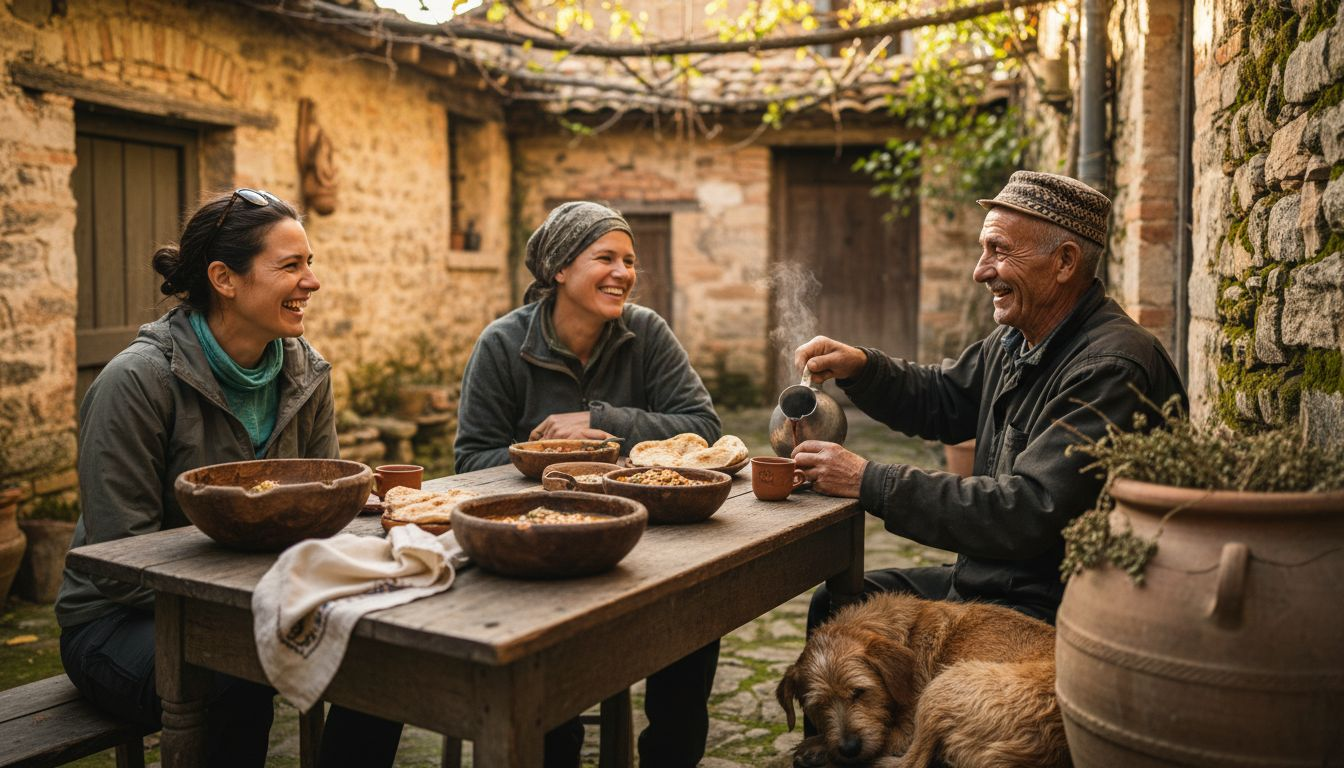
Small groups enable unique interactions that larger tours cannot replicate. By maintaining limited numbers, travelers gain unprecedented access to local communities, artisans, and traditional practices. Guides can facilitate more personalized introductions, translating not just language but cultural nuances. Imagine participating in a traditional coffee ceremony in an Ethiopian village, sharing stories with local elders, or learning traditional crafts directly from artisan families – experiences impossible with large, impersonal tour groups. Educational research confirms that smaller group settings promote more interactive and meaningful cultural exchanges, creating opportunities for genuine human connection.
Moreover, small group travel supports sustainable tourism practices by minimizing environmental impact and generating direct economic benefits for local communities. These intimate groups can engage more responsibly with destinations, supporting local economies through direct interactions, purchasing local crafts, and participating in community-driven tourism initiatives. The economic model of small group travel ensures that tourism dollars reach local populations more effectively, creating a more equitable and meaningful travel experience that respects and preserves cultural authenticity.
Pro Tip: Before booking a small group tour, research the tour operator’s local community engagement practices and commitment to responsible tourism to ensure your travel positively impacts the destination.
Safety, Cost, and Flexibility Advantages
Small group travel represents a strategic approach to exploring the world with enhanced security, economic efficiency, and adaptive planning. Travel medicine experts highlight the multifaceted advantages of small group journeys, emphasizing safety through collective support and cost-effectiveness, making these experiences increasingly attractive for adventurous travelers seeking intelligent travel solutions.
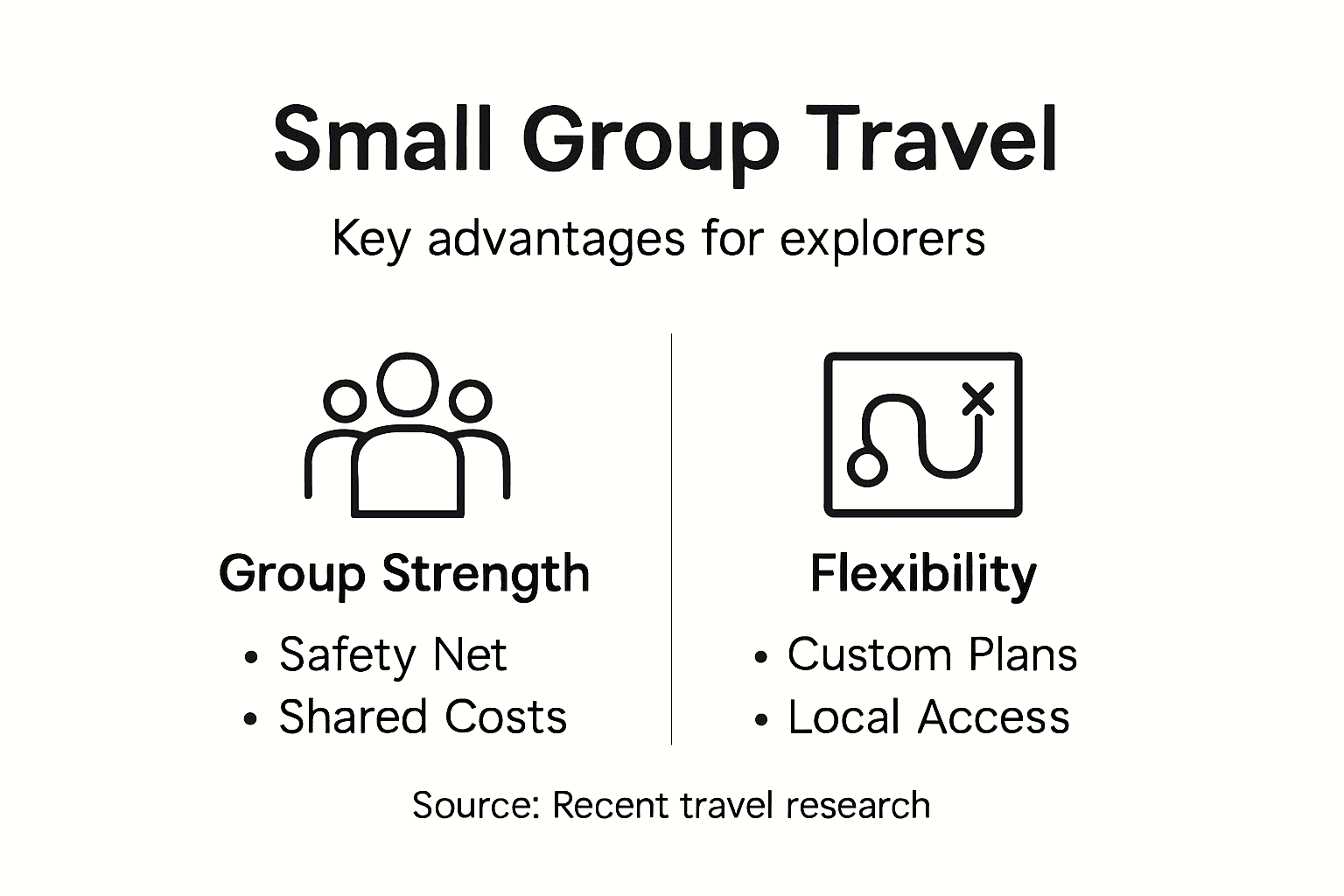
Safety emerges as a primary benefit of small group travel. Traveling with a compact group provides built-in support systems that mitigate individual risks. Experienced guides can quickly respond to unexpected situations, medical emergencies, or local challenges, creating a protective environment that solo travelers or large tour participants cannot easily replicate. Professional travel research confirms that small groups offer a unique balance between social engagement and personal security, allowing travelers to explore confidently while maintaining a sense of collective responsibility.
Economic advantages further distinguish small group travel experiences. By sharing transportation, accommodation, and guided tour costs, travelers can access premium experiences at significantly reduced individual expenses. This shared economic model enables access to specialized tours, expert guides, and unique destinations that might be financially prohibitive for solo travelers. Moreover, the flexibility inherent in small groups allows for spontaneous detours, impromptu cultural interactions, and personalized itinerary adjustments that create more authentic, memorable travel experiences.
Pro Tip: Always verify the group size, guide-to-traveler ratio, and included services before booking to ensure maximum value and safety in your small group travel experience.
Comparing Solo, Large, and Small Group Travel
Travel experiences vary dramatically depending on group composition, with each style offering unique advantages and challenges. Recent research examining traveler behaviors reveals distinct motivational patterns across solo, large, and small group travel models, highlighting the complex dynamics that influence travelers’ choices and experiences.
Solo travelers prioritize ultimate independence and personal exploration, embracing complete control over their itinerary. However, they often face significant challenges including higher costs, safety concerns, and limited access to specialized experiences. Large group tours offer economic efficiency and structured experiences but sacrifice personalization and spontaneity. The traveler becomes essentially anonymous, swept along in a standardized journey with minimal individual attention. Small group travel emerges as the strategic middle ground, combining the best elements of both approaches – providing social connections, shared cost benefits, and enough flexibility to customize the experience.
Each travel style attracts different personality types and serves distinct traveler needs. Solo travelers tend to be highly independent problem solvers comfortable with uncertainty. Large group travelers often seek predictability and minimal planning effort. Small group travelers represent a nuanced category – adventurous individuals who value meaningful connections, cultural depth, and collaborative experiences. They desire structure without feeling constrained, social interactions without losing personal space, and authentic encounters that transcend typical tourist experiences. This balanced approach allows for deeper cultural immersion, shared learning, and collective memory creation that transforms travel from a simple movement between locations into a rich, interconnected human experience.
Here’s a concise comparison of travel styles highlighting key differences:
| Travel Style | Personalization Level | Cost Efficiency | Social Connection |
|---|---|---|---|
| Solo Travel | Maximum control | Often highest costs | Limited interactions |
| Large Group | Low personalization | Moderate costs | Superficial contacts |
| Small Group | Balanced flexibility | Shared budget savings | Deep camaraderie |
Pro Tip: Assess your personal travel style, comfort with group dynamics, and desired level of flexibility before selecting your preferred travel format.
Common Pitfalls and How to Avoid Them
Group travel dynamics can quickly transform from exciting adventure to potential nightmare without careful preparation. Comprehensive small group travel planning guides highlight the critical importance of anticipating and mitigating common challenges before they escalate into trip-destroying conflicts.
Financial disagreements represent the most frequent source of tension in small group travel. Travelers often have varying budgets, spending philosophies, and expectations about shared expenses. Establishing clear financial guidelines before departure is crucial. This includes transparent discussions about accommodation standards, meal budgets, activity costs, and individual versus shared expenses. Creating a shared digital spreadsheet or using expense-tracking apps can help manage collective financial responsibilities, preventing misunderstandings and resentment that could fracture group cohesion.
Communication and expectation management form the bedrock of successful small group experiences. Personality differences, travel pace preferences, and individual comfort levels can create significant friction if not addressed proactively. Successful groups conduct pre-trip meetings or video calls to discuss travel styles, individual interests, physical limitations, and personal boundaries. Establishing a group communication channel like a WhatsApp group or shared travel document allows real-time coordination, compromise, and collective decision making. Flexibility, mutual respect, and a willingness to occasionally compromise separate great group travelers from those whose trips dissolve into conflict.
Pro Tip: Conduct a comprehensive pre-trip group meeting to align expectations, establish communication protocols, and create a shared understanding of the journey’s goals and individual comfort levels.
Discover Authentic Adventures with Small Group Travel in Ethiopia
The article highlights the power of small group travel for adventurous explorers seeking meaningful cultural connections, flexible itineraries, and responsible tourism. If you are looking to escape the limitations of large tour groups while avoiding the risks of solo travel, small group journeys offer the perfect balance of personal safety, shared experiences, and deep local immersion. These are exactly the values that Spectrum Ethiopia Tours embraces with our expertly guided, intimate group expeditions across Ethiopia.
Ready to experience the South Omo Valley or the Danakil Depression with a small, carefully curated group? At Spectrum Ethiopia Tours, we specialize in authentic cultural encounters, expert guidance, and personalized service that transform travel into a genuine adventure. Explore our customized Ethiopia tours today and connect with local communities in ways large group tours cannot offer. Do not wait to turn your next journey into a meaningful and memorable story. Visit Spectrum Ethiopia Tours now and start planning your small group adventure that combines safety, flexibility, and real human connection.
Frequently Asked Questions
What is small group travel?
Small group travel refers to a style of exploring in which a limited number of participants, typically between 6 to 12 people, engage in authentic and immersive experiences, allowing for deeper connections with local cultures and fellow travelers.
How does small group travel enhance cultural experiences?
Small group travel provides unique opportunities for authentic cultural interactions, as smaller groups can engage directly with local communities, artisans, and practices, facilitating more meaningful exchanges that larger tours often miss.
What are the benefits of choosing small group travel over solo or large group travel?
Small group travel combines the benefits of shared costs and social connections while maintaining flexibility and personal attention, allowing travelers to explore with a sense of camaraderie and access to unique experiences that would be challenging to achieve alone or in larger groups.
Are small group tours more expensive than other travel options?
Small group tours can often provide superior value by sharing costs among a small number of participants, accessing unique experiences, and reducing the stress of planning individual itineraries, making them competitive with other travel options.
Recommended
- Complete Guide to Adventure Expeditions Explained – Spectrum Ethiopia Tours
- Group vs Private Tours – Choosing the Right Experience – Spectrum Ethiopia Tours
- What Is a Tailor-Made Tour and Why It Matters – Spectrum Ethiopia Tours
- Why Book With Expert Guides: Real Benefits for Travelers – Spectrum Ethiopia Tours