
Most American travelers are surprised to learn that Ethiopia’s weather shifts far beyond simple wet and dry seasons. With highlands like Addis Ababa facing cool rains while lowland areas such as the Danakil Depression stay bone dry, the country’s climate creates real challenges for planning the perfect trip. Regions just hours apart can have different peak seasons, so understanding these unique patterns is the key to enjoying Ethiopia’s remarkable diversity without disappointment.
Table of Contents
- Defining Ethiopian Travel Seasons And Misconceptions
- Major Weather Patterns And Their Impact
- High, Shoulder, And Low Tourist Seasons
- Festivals, Holidays, And Cultural Timing
- How Seasonal Changes Affect Destinations
- Planning Tips To Avoid Common Pitfalls
Key Takeaways
| Point | Details |
|---|---|
| Seasonal Diversity | Ethiopia’s travel seasons are divided into four periods, each with unique climate characteristics and optimal travel experiences. Understanding these can enhance your exploration significantly. |
| Regional Variation | Weather conditions vary greatly between highland and lowland areas, affecting travel plans and accessibility. Tailor your itinerary to specific regions for the best experience. |
| Cultural Immersion | Timing your visit with local festivals enriches your cultural experience, providing a deeper connection to Ethiopian traditions. Advance research on festival dates is crucial. |
| Flexible Planning | Be prepared for unexpected changes due to weather or accessibility issues, as Ethiopia’s topography influences travel logistics. Maintain a flexible itinerary to navigate these challenges effectively. |
Defining Ethiopian Travel Seasons and Misconceptions
Ethiopia’s travel seasons are far more nuanced than many travelers initially assume, presenting a complex landscape of climatic and cultural variations that dramatically shape visitor experiences. Unlike simple binary wet and dry periods, Ethiopian seasons reveal intricate patterns influenced by geographic diversity, elevation changes, and regional microclimates. Understanding these subtleties can transform your journey from a standard tourist trip into an immersive exploration.
Most travelers mistakenly believe Ethiopia follows a uniform seasonal pattern, but the country’s topographical complexity creates significant regional differences. The highland regions, which include popular destinations like Addis Ababa and the historic Northern Circuit, experience distinctly different weather conditions compared to lowland areas like the Danakil Depression. These variations mean that optimal travel times can differ dramatically depending on your specific destination and planned activities. Exploring Ethiopia’s diverse travel options requires careful seasonal planning and regional understanding.
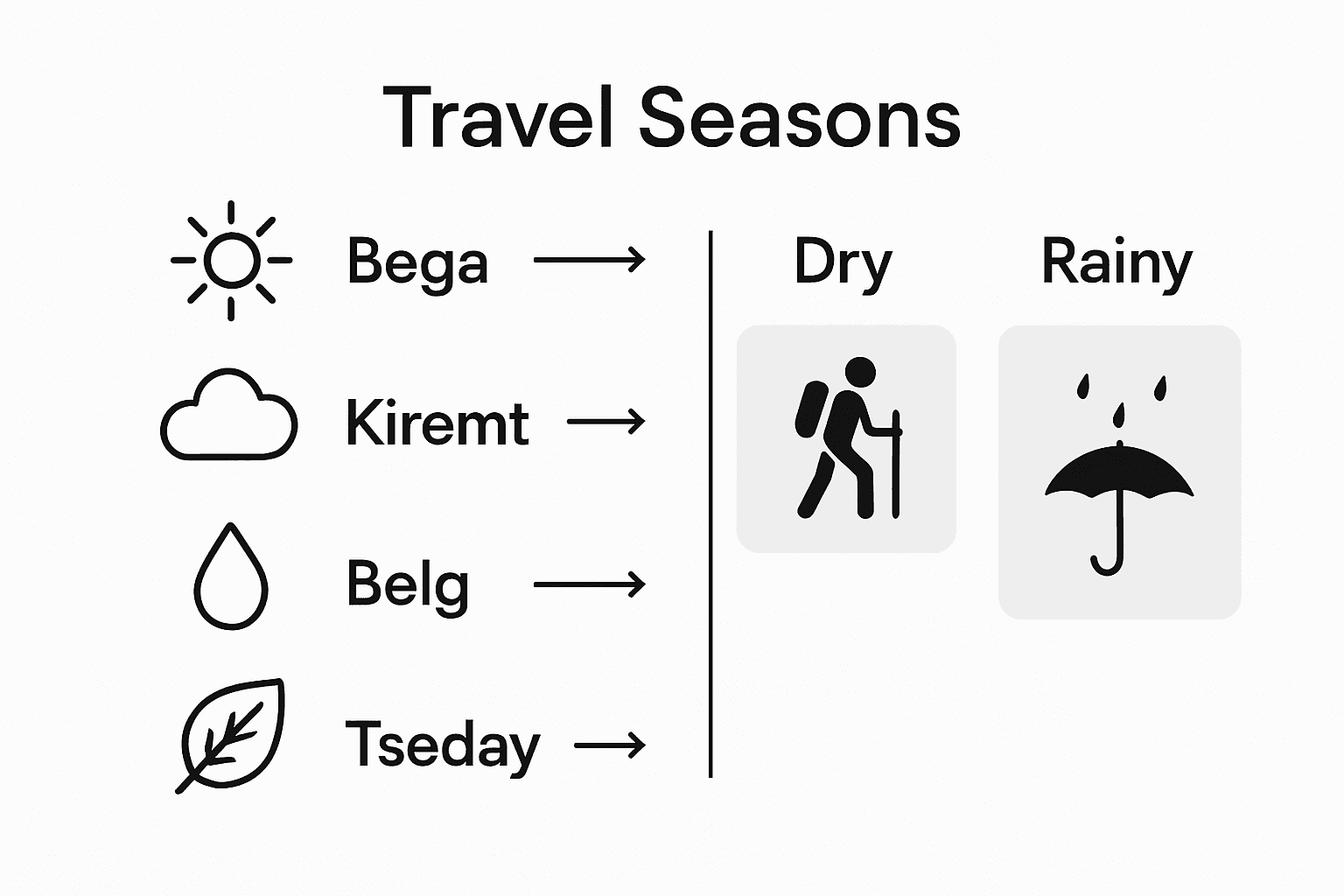
The primary Ethiopian seasons are traditionally categorized into four distinct periods: Kiremt (summer rainy season), Bega (dry cold season), Belg (spring short rains), and Meher (harvest season). Each season offers unique travel experiences and challenges. The Kiremt season, running from June to September, transforms landscapes into lush green environments but can complicate travel in rural areas due to heavy rainfall. Conversely, the Bega season from October to January provides clear skies and comfortable temperatures, making it an ideal time for extensive touring and outdoor exploration.
Pro Tip: Weather Research: Always cross-reference multiple local weather sources and consult regional experts before finalizing your travel itinerary, as microclimatic variations can significantly impact your trip’s comfort and accessibility.
Major Weather Patterns and Their Impact
Ethiopia’s weather patterns are a complex interplay of geographic diversity, altitude variations, and regional microclimates that create unique environmental conditions across the country. Understanding these intricate weather systems is crucial for travelers planning to explore this diverse landscape, as conditions can dramatically shift within relatively short distances. The country’s topography, ranging from high mountain plateaus to low-lying desert regions, generates remarkably different meteorological experiences.
Specific weather patterns in Ethiopia demonstrate significant regional variations that challenge traditional seasonal expectations. The highland regions, which encompass areas like the Simien Mountains and Addis Ababa, experience cooler temperatures and more pronounced seasonal shifts compared to lowland zones. These highlands typically receive more substantial rainfall during the summer months, transforming landscapes into vibrant green environments while creating challenging travel conditions in rural areas.
The two primary seasonal periods dramatically influence travel strategies and visitor experiences. The dry season, extending from October to May, offers optimal conditions for outdoor exploration, with clear skies and mild temperatures perfect for trekking, historical site visits, and cultural tours. Conversely, the rainy season from June to September brings substantial precipitation, particularly in highland regions, which can make some rural roads difficult to navigate. This seasonal transition creates unique opportunities and challenges for travelers, requiring careful planning and flexible itineraries.
Pro Tip: Adaptive Packing: Pack versatile clothing layers and waterproof gear that can handle rapid temperature changes and unexpected precipitation, ensuring you remain comfortable across Ethiopia’s diverse and unpredictable climate zones.
High, Shoulder, and Low Tourist Seasons
Ethiopia’s tourist seasons are a dynamic landscape of opportunities and challenges, each period offering unique experiences for travelers willing to navigate the country’s complex seasonal variations. Understanding these seasonal distinctions can dramatically transform your travel strategy, helping you optimize costs, crowd levels, and overall trip enjoyment. The tourism calendar is essentially divided into three distinct periods: high, shoulder, and low seasons, each characterized by specific weather patterns, cultural events, and travel considerations.
Tourist season dynamics in Ethiopia reveal a fascinating pattern of travel opportunities. The high season, spanning December through March, represents the peak period for international travelers. This timeframe coincides with the dry season and major cultural festivals like Timkat, offering ideal conditions for outdoor exploration, historical site visits, and cultural immersion. Travelers can expect clear skies, comfortable temperatures, and vibrant cultural experiences, albeit with higher prices and more crowded destinations.
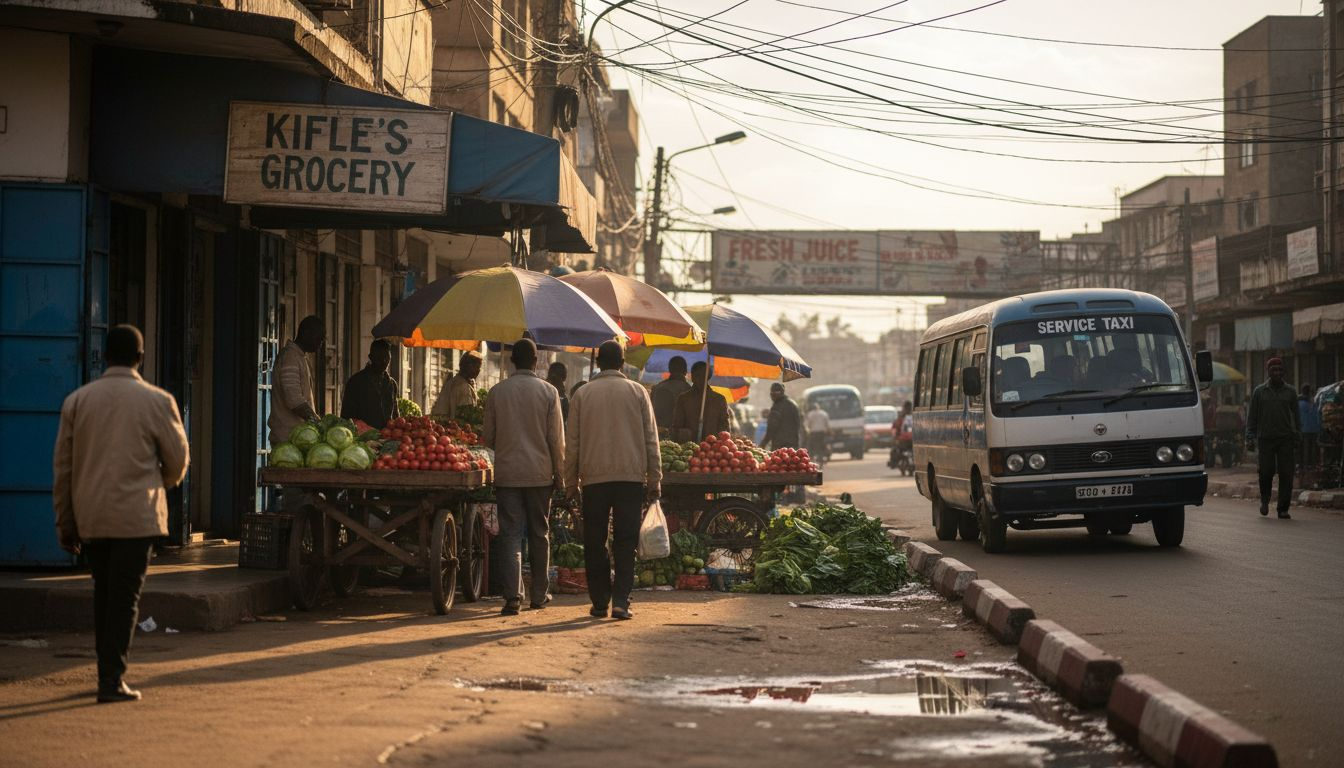
The shoulder seasons of October–November and April–May present a compelling alternative for discerning travelers. These transitional periods offer moderate weather conditions, reduced crowd density, and more competitive pricing. The landscape remains relatively accessible, with fewer tourists competing for accommodations and experiences. In contrast, the low season from June to September brings the rainy season, transforming the Ethiopian landscape into a lush, green environment. While this period presents challenges like potential travel disruptions and muddy rural roads, it also offers unique advantages such as dramatically reduced prices and opportunities to witness the country’s stunning agricultural transformations.
Pro Tip: Seasonal Strategy: Research specific regional festivals and events during shoulder seasons, as these periods often provide the best balance between favorable weather, cultural experiences, and more affordable travel costs.
Here’s a comparison of Ethiopia’s main tourist seasons for quick trip planning:
| Tourist Season | Typical Months | Weather Highlights | Traveler Advantages |
|---|---|---|---|
| High Season | December–March | Dry, clear skies, mild | Cultural festivals, most accessible |
| Shoulder Season | Oct–Nov, Apr–May | Moderate, transitional | Fewer crowds, better pricing |
| Low (Rainy) Season | June–September | Wet, lush landscapes | Lowest prices, unique scenery |
Festivals, Holidays, and Cultural Timing
Ethiopia’s cultural calendar is a vibrant tapestry of religious celebrations, historical commemorations, and seasonal rituals that profoundly influence travel experiences. Understanding the intricate timing of these events can transform a standard trip into an extraordinary cultural immersion, allowing travelers to witness the country’s rich traditions in their most authentic expressions. The rhythm of Ethiopian festivals is deeply intertwined with agricultural cycles, religious practices, and historical narratives that have shaped the nation’s identity for centuries.
Timeless cultural celebrations in Ethiopia reveal a fascinating landscape of festivals that punctuate the annual calendar. The Timkat Festival, celebrated in January, stands out as a particularly spectacular event marking the Epiphany. Thousands of white-robed worshippers gather in elaborate processions, carrying replicas of the Ark of the Covenant, creating a mesmerizing display of spiritual devotion and cultural pageantry. Similarly, the Meskel Festival in September commemorates the discovery of the True Cross, featuring massive bonfires and community gatherings that symbolize the triumph of light over darkness.
Beyond the major religious celebrations, Ethiopia’s festivals are deeply connected to seasonal transitions and agricultural rhythms. The Irreecha Festival of the Oromo people, typically held in September or October, marks the end of the rainy season and celebrates thanksgiving and renewal. Each festival offers a unique window into Ethiopian cultural diversity, with different ethnic groups showcasing distinct traditions that reflect their historical experiences, spiritual beliefs, and connection to the land. These celebrations are not merely tourist attractions but living expressions of community identity, where ancient rituals seamlessly blend with contemporary cultural practices.
Pro Tip: Festival Planning: Research specific festival dates in advance, as they often follow the Ethiopian Orthodox calendar, which differs from the Gregorian calendar, and plan your travel to coincide with these extraordinary cultural experiences.
How Seasonal Changes Affect Destinations
Ethiopia’s diverse landscape undergoes remarkable transformations throughout the year, creating a dynamic environment where seasonal shifts dramatically alter travel experiences. The country’s complex topography, ranging from high mountain plateaus to deep desert regions, means that destination accessibility and appeal can change dramatically within short distances. Understanding these nuanced seasonal variations is crucial for travelers seeking to optimize their exploration of this extraordinary country.
Seasonal destination dynamics in Ethiopia reveal profound changes across different regions. The Simien Mountains, for instance, present dramatically different experiences between dry and rainy seasons. During the dry months, trekking routes become accessible with clear skies and expansive views, allowing hikers to traverse rugged landscapes and encounter unique wildlife. Conversely, the rainy season transforms these mountains into a lush, verdant environment, with cascading waterfalls and vibrant vegetation that create an entirely different visual landscape.
Regional variations extend beyond visual transformations to impact practical travel considerations. The Omo Valley, home to diverse indigenous communities, experiences significant shifts during seasonal transitions. The rainy season brings agricultural renewal, transforming parched landscapes into green expanses and supporting local farming practices. However, these same rains can make rural roads challenging to navigate, potentially limiting access to remote communities and creating logistical challenges for travelers. Some destinations become temporarily inaccessible, while others reveal hidden beauty that remains concealed during drier periods, making flexible itineraries essential for travelers hoping to explore Ethiopia’s diverse regions.
Pro Tip: Destination Flexibility: Always maintain a flexible travel plan that allows for last-minute route adjustments, as seasonal changes can dramatically alter road conditions and destination accessibility across different Ethiopian regions.
This summary shows how key destinations are affected by Ethiopia’s seasonal changes:
| Region/Destination | Dry Season Experience | Rainy Season Transformation |
|---|---|---|
| Simien Mountains | Clear trekking routes, best views | Lush vegetation, waterfalls, slippery paths |
| Omo Valley | Easier access, community visits | Difficult roads, vibrant agriculture |
| Danakil Depression | Extreme heat, but accessible | Some areas less accessible, sporadic rainfall |
Planning Tips to Avoid Common Pitfalls
Navigating Ethiopia’s complex travel landscape requires strategic planning and a nuanced understanding of the country’s unique challenges. Travelers who approach their journey with careful preparation can transform potential obstacles into opportunities for extraordinary experiences. The key to successful Ethiopian travel lies in anticipating potential complications and developing flexible, adaptive strategies that account for the country’s diverse regional characteristics.
One of the most critical planning considerations involves understanding transportation infrastructure. Many regions in Ethiopia feature challenging terrain and limited transportation options, particularly during seasonal transitions. Travelers should prioritize comprehensive travel insurance that covers unexpected route changes, vehicle breakdowns, and potential medical evacuations. Reliable communication becomes paramount, so investing in a local SIM card with robust network coverage and carrying backup communication devices can mitigate potential isolation risks in remote areas.
Budget management represents another crucial aspect of trip planning that many travelers overlook. Ethiopia’s economic landscape can present unexpected financial challenges, with significant price variations between urban and rural regions. Festival tours and cultural experiences often require additional budget flexibility, as prices can fluctuate dramatically during peak cultural events. Savvy travelers recommend carrying multiple payment methods, including cash in local currency, international credit cards, and emergency backup funds. Understanding exchange rates, potential ATM limitations in rural areas, and having a contingency financial plan can prevent potential travel disruptions.
Pro Tip: Backup Documentation: Create digital and physical copies of all critical travel documents, including passports, visas, and insurance information, and store them in separate, secure locations to ensure quick recovery in case of unexpected loss or theft.
Master Ethiopia Travel Seasons With Expert Guidance
Timing your visit to Ethiopia can make all the difference given the country’s diverse climatic zones and cultural rhythms discussed in the article. Challenges such as navigating rainy season road conditions, aligning your itinerary with unique festivals like Timkat, and choosing the ideal high or shoulder season require local expertise and flexible planning. Key pain points include dealing with unpredictable regional weather, understanding seasonal festival timings, and optimizing your travel experience across places like the Simien Mountains and Omo Valley.
At Spectrum Ethiopia Tours we specialize in transforming these complex seasonal variables into seamless and memorable journeys. Our expert local guides in Addis Ababa understand every nuance of Ethiopia’s travel seasons and tailor your trip with care to avoid disruptions. Whether you want to experience the lush landscapes during the rainy season or attend vibrant cultural festivals during the dry high season our custom itineraries focus on authentic encounters and responsible tourism.
Explore our signature tours including the South Omo Valley cultural journey and Danakil Depression expedition to see Ethiopia’s seasonal wonders come to life.

Discover how the right timing paired with personalized local insight can elevate your Ethiopian adventure. Visit Spectrum Ethiopia Tours now and start planning your ideal trip to embrace Ethiopia’s seasons fully. Your extraordinary journey awaits with expert support every step of the way.
Frequently Asked Questions
What are the main travel seasons in Ethiopia?
Ethiopia’s travel seasons are categorized into four periods: Kiremt (summer rainy season), Bega (dry cold season), Belg (spring short rains), and Meher (harvest season). Each season presents unique weather conditions and experiences.
How do seasonal changes affect travel in Ethiopia?
Seasonal changes significantly impact accessibility, weather conditions, and travel experiences. The dry season offers clearer skies and easier travel, while the rainy season can make rural areas more challenging to navigate but also reveals lush landscapes.
When is the best time to visit Ethiopia to experience cultural festivals?
The high season from December to March is ideal for cultural festivals, such as Timkat and Meskel. These festivals coincide with the dry season, allowing for outdoor exploration and rich cultural immersion.
What should I pack for a trip to Ethiopia considering the weather variations?
Pack versatile clothing layers, waterproof gear, and comfortable hiking shoes. This will help you adapt to rapid temperature changes and unexpected precipitation across the country.
Recommended
- Ethiopia Travel Guide & Pre-Departure Tips | Ethiopia Tours
- Ethiopia Festival Tours | Timket, Meskel & Celebrations
- Complete Guide to Touring Ethiopia in 2025 – Spectrum Ethiopia Tours
- How to Customize Ethiopia Tour for a Unique Experience – Spectrum Ethiopia Tours
- Lisbon Off Season Travel: The Complete Guide
- When is the Best Time to Travel to Costa Rica? | CRWT