
Over 45,000 American travelers journey to Ethiopia each year, many drawn by the astonishing rock-hewn churches of Lalibela. This sacred Ethiopian town is not only an architectural wonder but a living symbol of spiritual devotion and cultural resilience. Whether discovering the remarkable legacy of King Lalibela or witnessing ancient Christian ceremonies, visitors are rewarded with an experience that connects centuries of history, faith, and breathtaking artistry.
Table of Contents
- Lalibela’s Core Meaning And Historical Roots
- The Rock-Hewn Churches: Types And Features
- Religious Significance And Pilgrimage Traditions
- Cultural Experiences And Local Community Life
- Traveling To Lalibela: Access And Safety Tips
Key Takeaways
| Point | Details |
|---|---|
| Significance of Lalibela | Lalibela is a UNESCO World Heritage Site exemplifying Ethiopian cultural and religious heritage, featuring 11 monolithic rock-hewn churches. |
| Architectural Innovation | The churches are carved from volcanic rock, showcasing remarkable medieval engineering and architectural precision. |
| Spiritual and Cultural Role | Lalibela serves as an alternative pilgrimage site for Ethiopian Orthodox Christians, hosting ancient religious practices and ceremonies. |
| Community Involvement | The local community actively participates in preserving cultural traditions, integrating daily life with rich religious and historical practices. |
Lalibela’s Core Meaning and Historical Roots
Lalibela represents a profound testament to Ethiopian cultural and religious heritage, nestled in the northern highlands of Ethiopia. Named after King Lalibela, who reigned in the late 12th and early 13th centuries, this extraordinary site encompasses 11 monolithic rock-hewn churches that were carved directly into volcanic rock. These incredible structures stand as a remarkable architectural achievement that continues to inspire travelers worldwide.
The historical significance of Lalibela extends far beyond its architectural marvel. These churches were not simply constructed but were meticulously carved from single blocks of volcanic tuff, creating an intricate network of structures connected by tunnels, trenches, and ceremonial pathways. Each church represents a unique architectural and spiritual statement, with some structures standing over 40 feet tall and featuring complex geometric designs that showcase remarkable medieval engineering skills. Northern Ethiopia’s cultural heritage reflects the profound spiritual dedication that motivated this extraordinary undertaking.
Spiritual and religious motivations drove King Lalibela’s ambitious project. According to local tradition, he sought to create a “New Jerusalem” after Muslim conquests made pilgrimage to the Holy Land challenging for Ethiopian Orthodox Christians. This spiritual vision transformed the landscape, creating a sacred complex that would serve as an alternative pilgrimage site. The churches were not merely architectural projects but profound expressions of faith, designed to be living, breathing spiritual centers where religious practices could continue uninterrupted. Today, these churches remain active places of worship, hosting regular religious ceremonies and serving as powerful symbols of Ethiopian Christian resilience and cultural identity.
The extraordinary craftsmanship of Lalibela continues to astonish historians and travelers alike. Carved entirely from top down using only hammers, chisels, and an extraordinary level of architectural precision, these churches represent one of the most remarkable architectural achievements of the medieval world. UNESCO recognized this significance by designating Lalibela a World Heritage Site in 1978, ensuring that these remarkable structures would be preserved for future generations to appreciate and study.
The Rock-Hewn Churches: Types and Features
The rock-hewn churches of Lalibela represent an extraordinary architectural achievement that defies conventional construction methods. Divided into two distinct groups separated by the Yordannos River, these eleven churches showcase remarkable diversity in architectural design and spiritual symbolism. Some churches are monolithic, carved entirely from a single block of volcanic rock, while others are semi-monolithic, featuring intricate connections between carved and constructed elements.
Among the most remarkable structures is Beta Giyorgis (Church of St. George), which exemplifies the extraordinary architectural ingenuity of the complex. This church stands in a 72-by-72-foot courtyard, meticulously carved in the shape of a perfect cross, representing an extraordinary feat of medieval engineering and spiritual symbolism. The church features distinctive Aksumite-style windows, intricate bas-relief carvings, and a design that demonstrates profound architectural precision.
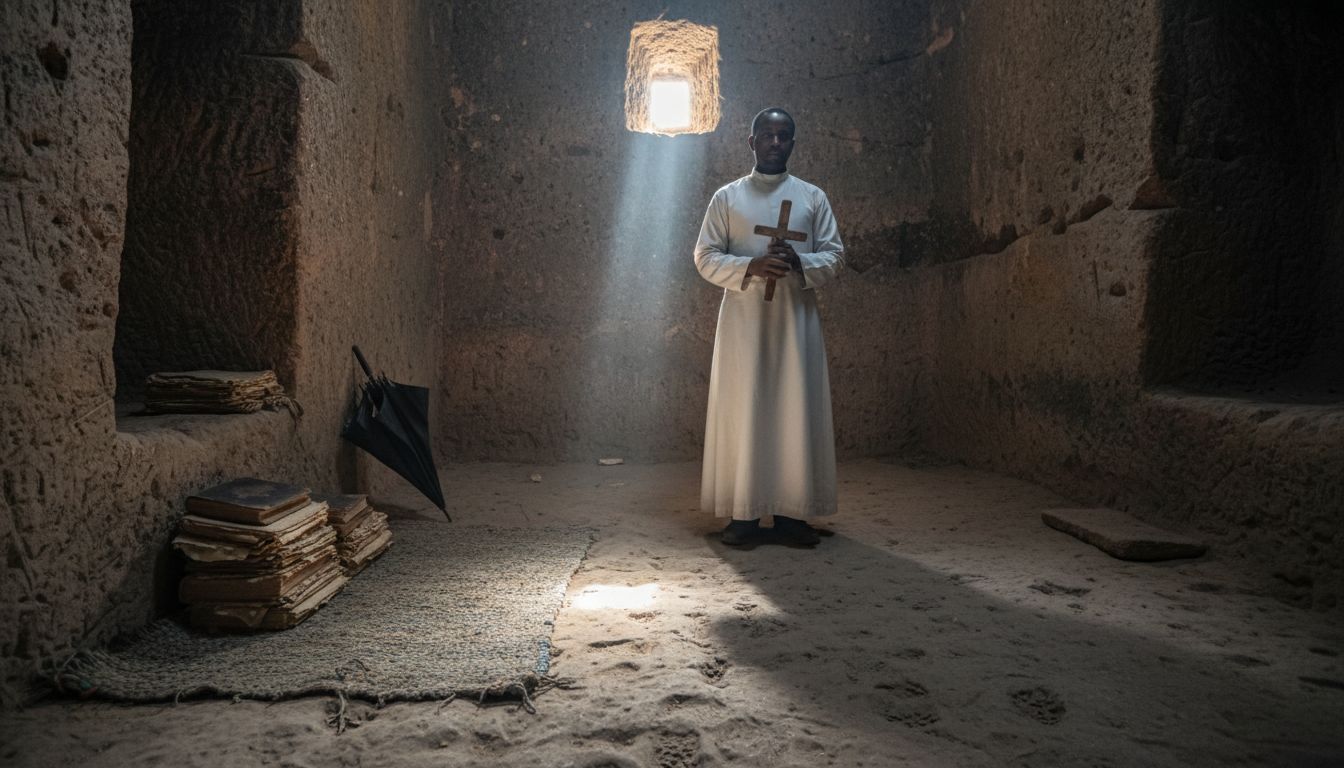
The churches can be categorized into three primary architectural styles. The first group includes fully monolithic churches completely carved from a single rock block, representing the most complex and challenging construction technique. The second group comprises semi-monolithic structures that combine carved and constructed elements, while the third group includes churches with more traditional architectural approaches. Each church features unique characteristics, including cruciform floor plans, complex tunnel systems, and intricate symbolic designs that reflect deep religious and cultural meanings.
Visitors to Lalibela can explore churches with names like Bet Medhane Alem (House of the Savior of the World), Bet Maryam (House of Mary), and Bet Emanuel (House of Emmanuel), each offering a unique glimpse into medieval Ethiopian architectural and spiritual traditions. These churches are not mere historical monuments but living places of worship, where ancient religious practices continue to thrive, connecting contemporary Ethiopian Orthodox Christians with centuries of spiritual heritage.

Religious Significance and Pilgrimage Traditions
Lalibela represents far more than an architectural marvel. The church complex is a profound spiritual landscape designed to symbolize a ‘New Jerusalem’, reflecting the deep religious aspirations of medieval Ethiopian Orthodox Christians. During a period when Muslim conquests had made traditional pilgrimage to the Holy Land challenging, King Lalibela created an alternative sacred destination that would allow Ethiopian Christians to experience a spiritual journey without leaving their homeland.
The pilgrimage traditions surrounding Lalibela are intricate and deeply meaningful. Thousands of Ethiopian Orthodox Christians undertake annual pilgrimages to these churches, participating in centuries-old religious ceremonies that transform these stone structures from historical monuments into living spiritual spaces. Major religious festivals like Timkat (Epiphany) and Christmas draw massive congregations who traverse the complex’s interconnected pathways, engage in ritualistic prayers, and perform traditional religious practices that have remained virtually unchanged for hundreds of years.
Each church in the Lalibela complex serves a unique spiritual purpose, with specific architectural features designed to enhance religious experience. Some churches are dedicated to specific saints, while others represent biblical scenes or theological concepts. The intricate tunnel systems and strategically placed windows create a spatial experience that guides worshippers through a symbolic spiritual journey, mimicking the metaphorical path of religious transformation. Priests continue to use these churches for daily worship, preserving ancient liturgical practices and maintaining a continuous spiritual connection between past and present.
Beyond its immediate religious significance, Lalibela represents a remarkable testament to the resilience of Ethiopian Christian culture. These churches stand as powerful symbols of spiritual dedication, architectural innovation, and cultural preservation. Pilgrims and visitors alike are drawn not just by the historical importance, but by the living spiritual energy that permeates these extraordinary rock-hewn structures, offering a profound glimpse into a rich and enduring religious tradition that has survived centuries of political and social challenges.
Cultural Experiences and Local Community Life
Lalibela remains a living heritage site where the local community actively participates in cultural traditions, creating a vibrant tapestry of daily life deeply intertwined with religious and historical practices. The traditional vernacular architecture, characterized by distinctive tukuls (circular thatched-roof houses), provides visitors with an authentic glimpse into the region’s architectural and cultural landscape. These traditional dwellings, constructed using local materials like wood, stone, and thatch, reflect centuries-old building techniques that have survived despite changing times.
The local community’s connection to Lalibela extends far beyond architectural preservation. The region stands as a significant marker of Christian cultural identity, with religious practices seamlessly integrated into everyday life. Residents maintain deep spiritual traditions, participating in elaborate religious ceremonies, festivals, and daily rituals that have been passed down through generations. During major religious events like Timkat, the entire community becomes a living, breathing celebration of cultural heritage, with traditional music, dance, and elaborate processions transforming the landscape into a dynamic cultural experience.
Traditional crafts and economic activities play a crucial role in sustaining the local community’s way of life. Artisans continue to produce intricate textiles, pottery, and religious artifacts that reflect centuries-old craftsmanship techniques. Local markets become vibrant spaces where traditional clothing, handmade goods, and agricultural products are traded, maintaining economic practices that have supported the community for generations. Young people learn traditional skills from elders, ensuring that cultural knowledge and craftsmanship continue to thrive alongside modern influences.
Visitors to Lalibela can experience this rich cultural landscape through guided interactions with local communities, participating in traditional coffee ceremonies, exploring local markets, and engaging with artisans who continue to preserve their ancestral crafts. The community’s commitment to maintaining their cultural heritage while welcoming visitors creates a unique opportunity for cultural exchange, allowing travelers to experience an authentic and living cultural tradition that has remained resilient through centuries of change.
Traveling to Lalibela: Access and Safety Tips
Reaching Lalibela requires careful planning and understanding of the region’s unique travel infrastructure. The nearest major airport is in Bahir Dar, with domestic flights connecting to Lalibela’s regional airport. Travelers can also access the site by road from Addis Ababa, though the journey involves navigating mountainous terrain that can take approximately 12 hours by vehicle. Consulting a comprehensive Ethiopia travel guide can help visitors prepare for the logistical challenges of reaching this remote destination.
Safety in Lalibela revolves around cultural respect and personal awareness. Travelers must approach the religious sites with profound cultural sensitivity, understanding that these are active places of worship, not merely tourist attractions. Appropriate attire is crucial – visitors should wear modest clothing that covers shoulders and knees, and be prepared to remove shoes when entering churches. Photography is typically restricted inside religious spaces, and visitors should always ask permission before capturing images of local residents or religious ceremonies.
Practical preparation is essential for a smooth Lalibela experience. Visitors should carry cash, as credit card facilities are limited in the region. Bring lightweight, comfortable walking shoes suitable for navigating uneven rocky terrain, and pack layers of clothing to accommodate temperature variations. Health precautions include bringing personal medications, using bottled water, and considering travel insurance that covers medical evacuation. Solo travelers can benefit from guided tours that provide additional safety and cultural insights, helping to navigate the complex cultural landscape more effectively.
Seasonal considerations significantly impact travel to Lalibela. The dry season (October to March) offers the most comfortable travel conditions, with clear skies and minimal rainfall. Religious festivals like Timkat (January) provide extraordinary cultural experiences but also mean increased crowds and higher accommodation prices. Budget-conscious travelers might consider visiting during shoulder seasons, while those seeking the most immersive cultural experience should plan around major religious celebrations. Regardless of timing, approaching Lalibela with respect, curiosity, and an open mind will transform a simple trip into a profound cultural journey.
Discover Lalibela with Authentic Ethiopian Experiences
Exploring Lalibela’s extraordinary rock-hewn churches and rich spiritual heritage requires more than just a visit. It demands deep cultural understanding, respectful guidance, and seamless travel arrangements to fully appreciate this sacred “New Jerusalem”. If you seek to experience the living traditions, intricate pilgrimage rituals, and architectural marvels described during your journey through Lalibela’s history Lalibela’s sacred sites, let expert local guides who know the region intimately and prioritize your safety create that unforgettable experience.

Book a fully customized Ethiopian tour with Spectrum Ethiopia Tours today and immerse yourself in true cultural connection and adventure. Our knowledgeable team ensures you honor traditional pilgrimage practices while comfortably navigating Lalibela’s terrain with care and respect. Ready to step into a world where ancient faith meets extraordinary craftsmanship Visit Spectrum Ethiopia Tours and start planning your Northern Historic Route or a tailored cultural journey now. Your transformative Ethiopian experience begins here.
Frequently Asked Questions
What is Lalibela?
Lalibela is a UNESCO World Heritage Site in Ethiopia, known for its extraordinary rock-hewn churches carved from volcanic rock during the reign of King Lalibela in the 12th and 13th centuries.
Why is Lalibela considered a spiritual site?
Lalibela is regarded as a spiritual site because it was created as a ‘New Jerusalem’ for Ethiopian Orthodox Christians, providing an alternative pilgrimage destination after challenges in reaching the Holy Land due to Muslim conquests.
What are the unique architectural features of the Lalibela churches?
The churches of Lalibela feature stunning architecture, including monolithic and semi-monolithic structures, complex tunnel systems, cruciform floor plans, and intricate symbolic designs that reflect deep religious meanings.
How do visitors experience local culture in Lalibela?
Visitors can engage with local culture in Lalibela through traditional coffee ceremonies, exploring local markets, and interacting with artisans, providing a rich insight into the community’s enduring cultural heritage.